
Jun 26, 2026News & Insights
Compact Coaxial Loads: Why Short-Length Design Matters More Than You Think
In modern RF and microwave systems , engineers are constantly balancing performance, size, and efficiency. As systems become more compact—especially in 5G, satellite communications, and millimeter-w
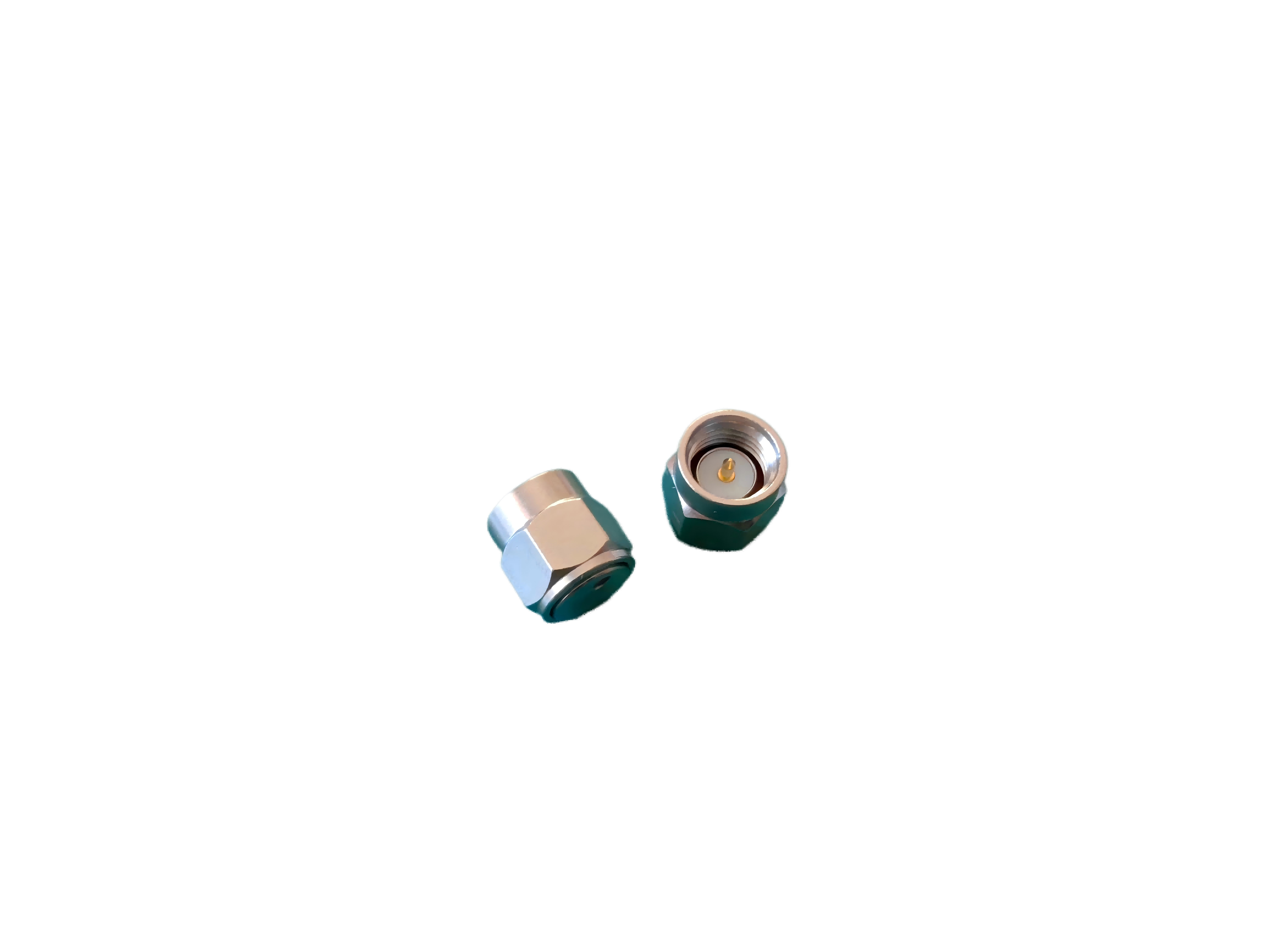
In modern RF and microwave systems, engineers are constantly balancing performance, size, and efficiency. As systems become more compact—especially in 5G, satellite communications, and millimeter-wave applications—every component must be optimized for both electrical and mechanical performance.
One often overlooked component is the coaxial load, also known as an RF termination. While many engineers focus on power rating and frequency range, the physical length of the load can significantly impact system performance.
A compact coaxial load with a short-length design is not just about saving space—it can directly improve signal integrity, thermal performance, and measurement accuracy.
Manufacturers such as AO Microwave have increasingly focused on compact RF load designs to meet the demands of high-frequency and space-constrained applications.
What Is a Compact Coaxial Load?
A compact coaxial load is a type of RF load designed with reduced physical length while maintaining the ability to absorb RF energy effectively.
Like standard coaxial loads, it is used to:
- terminate RF ports
- absorb signal energy
- minimize reflections
- protect RF systems
However, compact loads are specifically engineered for applications where space constraints and high-frequency performance are critical.
Why Short-Length Design Matters
Reduced Signal Path and Lower Loss
One of the most important advantages of a short-length coaxial load is the reduction in signal path length.
At high frequencies, especially above 18 GHz and into millimeter-wave bands, even small increases in physical length can introduce:
- additional insertion loss
- phase variation
- impedance discontinuities
Shorter designs minimize these effects, helping maintain stable RF performance.
Improved VSWR Performance
A compact design reduces internal transmission path irregularities, which helps improve impedance matching.
Typical performance:
- High-quality compact load: VSWR ≤ 1.15 up to 40 GHz
- Standard load: VSWR ≤ 1.25 – 1.35
Lower VSWR means less signal reflection and better system efficiency.
Better Performance in Millimeter-Wave Applications
At frequencies above 30 GHz, wavelengths become extremely small.
For example:
- 30 GHz → ~10 mm
- 60 GHz → ~5 mm
- 100 GHz → ~3 mm
A long coaxial structure can introduce unwanted resonances or mismatches.
Compact loads reduce these risks and are therefore better suited for:
- mmWave communication systems
- radar modules
- high-frequency test setups
Space Optimization in Dense RF Systems
Modern RF systems are becoming increasingly compact.
Applications such as:
- 5G base stations
- phased array antennas
- satellite payloads
- portable RF test equipment
require high-density component integration.
Short-length coaxial loads help:
- reduce system footprint
- simplify layout design
- improve cable management
Enhanced Thermal Efficiency
Compact coaxial loads are often designed with optimized internal structures for efficient heat dissipation.
Although shorter in size, advanced designs can still handle significant power levels.
Typical performance ranges:
- Low power: < 5 W
- Medium power: 5–50 W
- High power compact loads: up to 100 W (depending on design)
Efficient thermal management ensures stable performance and longer lifespan.
Key Parameters When Selecting a Compact Coaxial Load
Engineers should evaluate several critical specifications when choosing a compact RF load.
Frequency Range
Ensure the load supports your operating frequency, especially for high-frequency or broadband applications.
VSWR
Lower VSWR indicates better impedance matching and reduced reflections.
Power Handling
Match the load’s power rating to your system requirements.
Connector Type
Common connector types include:
- SMA
- 2.92 mm (K)
- 2.4 mm
- 1.85 mm (V)
Higher frequency applications typically require smaller precision connectors.
Mechanical Size
Compact design is particularly important in space-constrained environments.
Manufacturers like AO Microwave offer short-length coaxial loads optimized for high-frequency RF systems.
Applications of Compact Coaxial Loads
Compact coaxial loads are widely used in modern RF systems.
RF Test and Measurement
Used to terminate unused ports and ensure accurate measurement results.
5G and Millimeter-Wave Systems
Essential for maintaining performance in high-frequency communication systems.
Satellite Communications
Used in ground stations and compact payload systems.
Radar Systems
Support stable signal absorption in high-frequency radar modules.
Common Mistakes to Avoid
Ignoring Physical Length
Many engineers focus only on electrical specs and overlook mechanical size, which can impact performance.
Using Standard Loads in High-Frequency Systems
Standard loads may introduce higher reflections and loss in mmWave applications.
Underestimating Thermal Requirements
Compact size does not mean lower heat generation—proper thermal design is still essential.
Why Choose High-Quality Compact Loads?
High-quality compact coaxial loads offer:
- better impedance matching
- lower insertion loss
- improved high-frequency performance
- optimized mechanical design
- longer operational lifespan
Products developed by AO Microwave are engineered to meet the demands of modern RF and microwave systems.
Conclusion
Compact coaxial loads with short-length design are more than just space-saving components—they play a critical role in maintaining performance in modern RF and microwave systems.
By reducing signal path length, improving VSWR, enhancing thermal efficiency, and enabling compact system design, these loads provide clear advantages in high-frequency applications.
When selecting a coaxial load, engineers should consider not only electrical specifications but also physical design to achieve optimal system performance.