
Jun 26, 2026News & Insights
How to Choose a Log-Periodic Antenna for Long-Range Communication?
In modern wireless communication and RF monitoring systems , achieving reliable long-range signal transmission is a key challenge. Whether used in telecommunications, spectrum monitoring, EMC testin
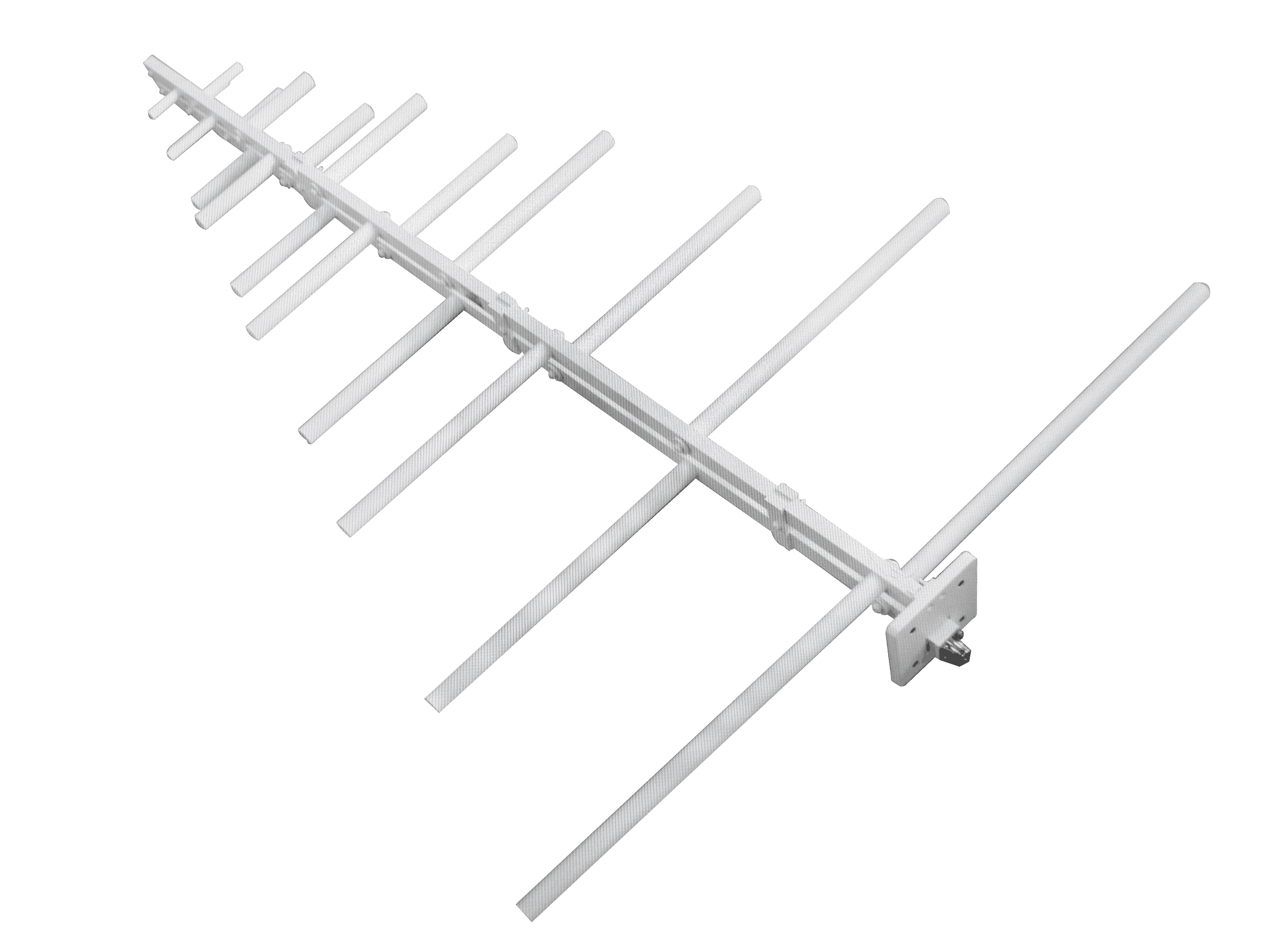
In modern wireless communication and RF monitoring systems, achieving reliable long-range signal transmission is a key challenge. Whether used in telecommunications, spectrum monitoring, EMC testing, or defense applications, antenna selection plays a critical role in system performance.
A log-periodic antenna, also known as a log-periodic dipole array (LPDA), is widely used for long-range communication due to its wide bandwidth, stable gain, and directional radiation characteristics.
However, choosing the right log-periodic antenna requires more than just selecting a frequency range. Engineers must evaluate parameters such as gain, front-to-back ratio, polarization, and physical size to ensure optimal performance.
Manufacturers such as AO Microwave provide high-performance log-periodic antennas designed for broadband and long-distance RF applications.
What Is a Log-Periodic Antenna?
A log-periodic antenna is a type of directional antenna designed to operate over a wide frequency range.
Unlike narrowband antennas, LPDA antennas maintain relatively consistent performance across multiple frequencies. This makes them ideal for applications requiring broadband coverage.
Key characteristics include:
- wide frequency bandwidth
- moderate to high gain (typically 6–12 dBi)
- directional radiation pattern
- stable impedance across frequency
These features make log-periodic antennas highly suitable for long-range communication and signal monitoring.
Why Use a Log-Periodic Antenna for Long-Range Communication?
Log-periodic antennas offer several advantages for long-distance RF transmission.
Wideband Coverage
LPDA antennas can cover a wide frequency range, often spanning multiple GHz. This is especially useful in:
- spectrum monitoring
- EMC testing
- multi-band communication systems
Directional Gain
Log-periodic antennas provide directional gain, which helps focus energy in a specific direction.
Typical gain values:
- 6–9 dBi for compact designs
- 9–12 dBi for larger arrays
Higher gain improves signal strength over long distances.
Stable Performance Across Frequencies
Unlike many antennas that perform well only at specific frequencies, LPDA antennas maintain relatively stable characteristics across their operating range.
Key Factors When Choosing a Log-Periodic Antenna
Frequency Range
The most important factor is the operating frequency range.
Common ranges include:
- 700 MHz – 3 GHz (telecom and monitoring)
- 1 GHz – 6 GHz (broadband RF applications)
- higher frequency designs for specialized applications
Choose an antenna that fully covers your required frequency band.
Gain
Gain determines how effectively the antenna directs RF energy.
For long-range communication:
- Minimum recommended: 6 dBi
- Preferred for long distance: 8–12 dBi
Higher gain improves communication range but may increase antenna size.
Front-to-Back Ratio
The front-to-back ratio indicates how well the antenna suppresses signals from the rear.
Typical values:
- Standard: 10–15 dB
- High-performance: >20 dB
Higher ratios improve signal clarity and reduce interference.
Polarization
Log-periodic antennas are typically linearly polarized.
Engineers must ensure polarization matches the system:
- vertical polarization
- horizontal polarization
Mismatch can result in signal loss of up to 20–30 dB.
Physical Size and Structure
Long-range antennas often require larger physical structures.
Consider:
- installation space
- mounting method
- environmental conditions
Compact designs may be preferred for portable systems.
Manufacturers like AO Microwave offer optimized antenna designs balancing performance and size.
Connector Type and Impedance
Common specifications include:
- impedance: 50 ohms
- connectors: SMA, N-type
Proper matching ensures efficient signal transmission.
Applications of Log-Periodic Antennas
Log-periodic antennas are widely used in various RF applications.
Long-Range Wireless Communication
Used in point-to-point communication systems for extended coverage.
EMC Testing
LPDA antennas are commonly used in electromagnetic compatibility (EMC) testing due to their wideband performance.
Spectrum Monitoring and Surveillance
Used for signal detection and monitoring across multiple frequency bands.
Military and Defense Systems
Used in communication, surveillance, and electronic warfare applications.
High-performance antenna solutions from AO Microwave are designed to meet these demanding requirements.
Common Mistakes to Avoid
Choosing Only Based on Frequency
Ignoring gain and radiation pattern can lead to poor long-range performance.
Ignoring Polarization Matching
Mismatch can cause significant signal loss.
Underestimating Installation Conditions
Environmental factors such as wind, temperature, and mounting stability affect performance.
Advantages of Log-Periodic Antennas
Log-periodic antennas offer several benefits:
- wide bandwidth coverage
- stable gain across frequencies
- directional radiation pattern
- reliable long-range performance
- versatility across applications
Conclusion
Choosing the right log-periodic antenna is essential for achieving reliable long-range communication in RF systems.
Engineers should carefully evaluate frequency range, gain, front-to-back ratio, polarization, and physical design to ensure optimal performance.
With the right selection, log-periodic antennas can provide stable, broadband, and efficient signal transmission across a wide range of applications.
Manufacturers such as AO Microwave offer high-quality LPDA antennas designed for modern communication and RF testing environments.