
Jun 26, 2026News & Insights
How to Choose the Right Coaxial Suspension Line Filter?
Selecting the right coaxial suspension line filter is a critical step in designing high-performance RF and microwave systems . While these filters are known for their low insertion loss, high Q fa
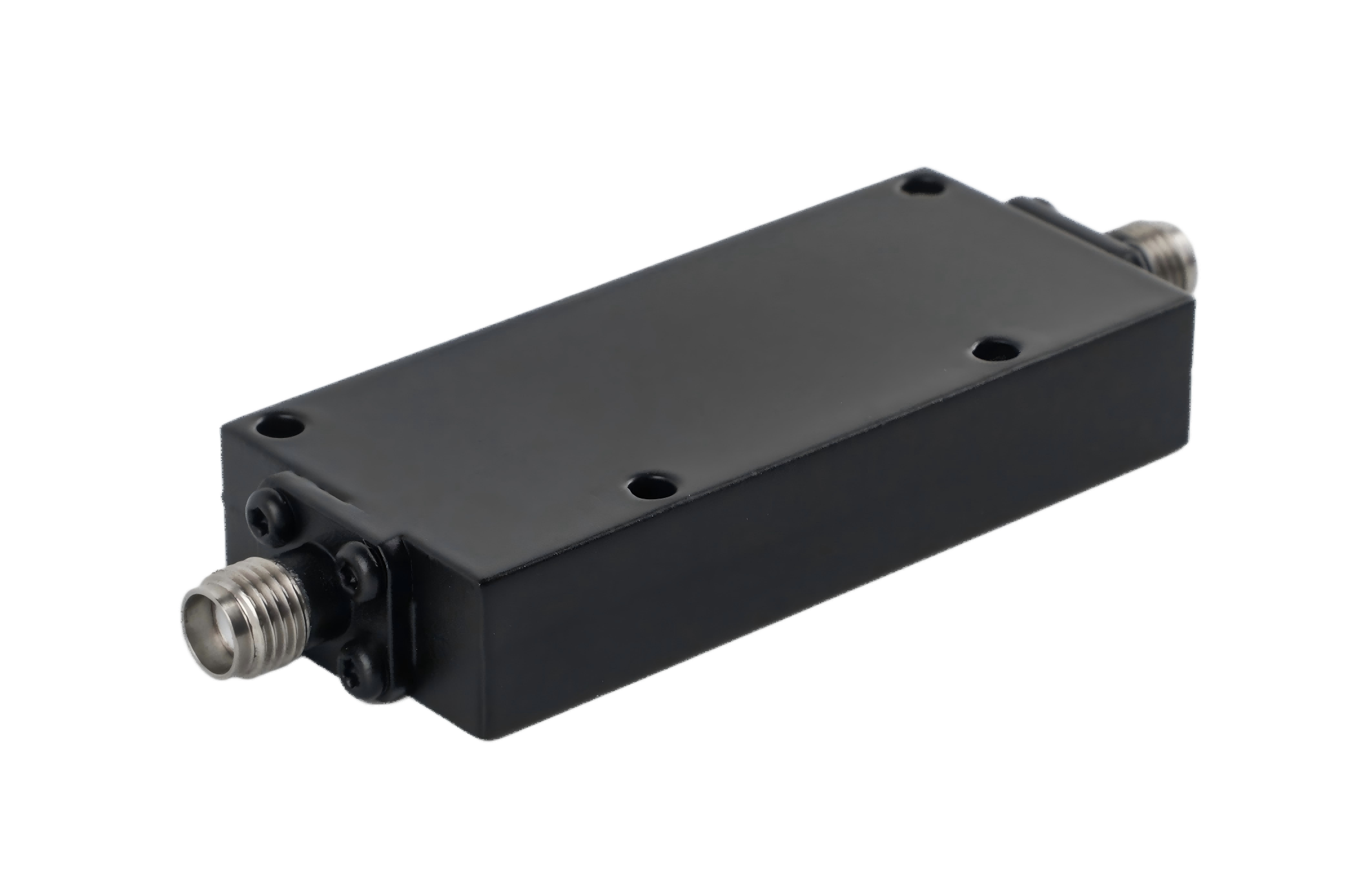
Selecting the right coaxial suspension line filter is a critical step in designing high-performance RF and microwave systems. While these filters are known for their low insertion loss, high Q factor, and excellent selectivity, choosing the wrong specifications can lead to signal degradation, system inefficiency, or even component failure.
In previous articles, we explored what coaxial suspension line filters are, why they are used, and the different types available. Now, the focus shifts to the most practical question:
👉 How do you choose the right coaxial suspension line filter for your specific application?
This guide provides a step-by-step engineering approach to help you make the right decision.
Manufacturers such as AO Microwave offer a wide range of customizable filter solutions to meet complex RF system requirements.
Step-by-Step Guide to Choosing the Right Filter
Step 1: Define the Frequency Range
The first and most critical parameter is the operating frequency range.
Ask yourself:
- What frequency band does your system operate in?
- Do you need narrowband or broadband coverage?
Typical RF Bands:
- L-band: 1–2 GHz
- S-band: 2–4 GHz
- C-band: 4–8 GHz
- X-band: 8–12 GHz
- Ku / Ka bands: up to 40 GHz+
👉 Key Tip: Always ensure the filter fully covers your operating frequency with margin.
Step 2: Determine Filter Type
Based on your signal requirements, choose the appropriate filter type:
Requirement | Recommended Filter |
|---|---|
Pass a specific band | Bandpass |
Remove harmonics | Low-pass |
Remove low-frequency noise | High-pass |
Eliminate interference | Bandstop |
Choosing the wrong type is one of the most common engineering mistakes.
Step 3: Evaluate Insertion Loss
Insertion loss directly affects system efficiency.
Recommended Values:
- High-performance systems: ≤ 0.5 dB
- Standard systems: ≤ 1.0 dB
Lower insertion loss means:
- stronger signal output
- reduced need for amplification
- improved overall system performance
Coaxial suspension line filters are preferred because they offer significantly lower loss than planar filters.
Step 4: Define Bandwidth
Bandwidth determines how much of the frequency spectrum is allowed to pass.
Options:
- Narrowband → higher selectivity
- Wideband → broader signal coverage
Engineering Insight:
Narrower bandwidth improves interference rejection but requires more precise design.
Step 5: Check Rejection Level
Rejection defines how effectively unwanted signals are suppressed.
Typical Values:
- Standard systems: 40–60 dB
- High-performance systems: >80 dB
Higher rejection is essential in:
- crowded RF environments
- multi-channel communication systems
Step 6: Consider Power Handling
Power handling is critical for system reliability.
Guidelines:
- Match filter rating with system power
- Add 20–30% safety margin
Typical ranges:
- Low power: < 10 W
- Medium power: 10–100 W
- High power: > 100 W
AO Microwave designs filters capable of handling demanding high-power RF applications.
Step 7: Evaluate Mechanical Constraints
Electrical performance alone is not enough—mechanical compatibility is equally important.
Consider:
- size and weight
- mounting method
- connector type (SMA, N-type, etc.)
- integration with existing systems
Compact systems may require optimized filter structures.
Step 8: Assess Environmental Conditions
Environmental factors can affect performance.
Key considerations:
- temperature range
- humidity
- vibration
- outdoor vs indoor usage
High-quality coaxial suspension line filters offer excellent thermal stability and durability.
Engineering Selection Table (Quick Decision Tool)
Application | Recommended Filter Type | Key Priority |
|---|---|---|
RF Test Bench | Bandpass | Low loss + accuracy |
Satellite Uplink | Bandpass | Power + selectivity |
Radar Systems | Bandpass / Custom | High power + precision |
EMC Testing | Bandstop | Interference rejection |
Communication Systems | Multi-band | Flexibility |
Real-World Selection Scenarios
Scenario 1: Satellite Communication System
Requirements:
- low insertion loss
- high selectivity
- stable performance
👉 Recommended: Narrowband bandpass coaxial suspension line filter
Scenario 2: Radar System
Requirements:
- high power handling
- precise filtering
👉 Recommended: High-Q, high-power bandpass filter
Scenario 3: RF Test Equipment
Requirements:
- signal accuracy
- low noise
👉 Recommended: Low-loss bandpass filter
AO Microwave provides customized solutions for these application scenarios.
Common Mistakes to Avoid
Ignoring Insertion Loss
Leads to reduced system efficiency.
Underestimating Power Requirements
May cause overheating or failure.
Choosing Incorrect Bandwidth
Affects signal quality and system performance.
Overlooking Mechanical Constraints
Causes integration issues.
Why High-Quality Filters Make a Difference
Using high-quality coaxial suspension line filters provides:
- better signal integrity
- lower system loss
- higher reliability
- longer operational lifespan
AO Microwave ensures performance through:
- precision engineering
- optimized RF structures
- strict quality control
Request a Custom RF Filter Solution
Looking for the right coaxial suspension line filter for your system?
AO Microwave offers tailored solutions based on your exact requirements.
Please provide:
- frequency range
- filter type
- bandwidth
- insertion loss target
- power level
- connector type
Our engineering team will recommend the most suitable solution to optimize your RF system performance.
Conclusion
Choosing the right coaxial suspension line filter requires a careful evaluation of multiple parameters, including frequency range, insertion loss, bandwidth, rejection, power handling, and mechanical constraints.
By following a structured selection process, engineers can significantly improve system performance, reliability, and efficiency.
For high-performance RF systems, selecting the right filter is not just a technical decision—it is a strategic one.