
News & InsightsFeaturedIn-Depth
2026年3月20日
How to Choose the Right Waveguide Load for Your Microwave System?
In microwave and RF systems , maintaining signal stability and preventing unwanted reflections is critical. One essential component used to achieve this is the waveguide load , also known as a wave
In microwave and RF systems, maintaining signal stability and preventing unwanted reflections is critical. One essential component used to achieve this is the waveguide load, also known as a waveguide termination.
A waveguide load is designed to absorb microwave energy and prevent signal reflections that could degrade system performance. Choosing the right waveguide load is essential for ensuring accurate measurements, protecting RF equipment, and maintaining overall system efficiency.
Whether used in radar systems, satellite communications, or RF testing environments, selecting the appropriate microwave waveguide load requires careful evaluation of several technical parameters.
Manufacturers such as AO Microwave provide a wide range of high-performance waveguide loads designed for reliable operation across various microwave frequency bands.
What Is a Waveguide Load?
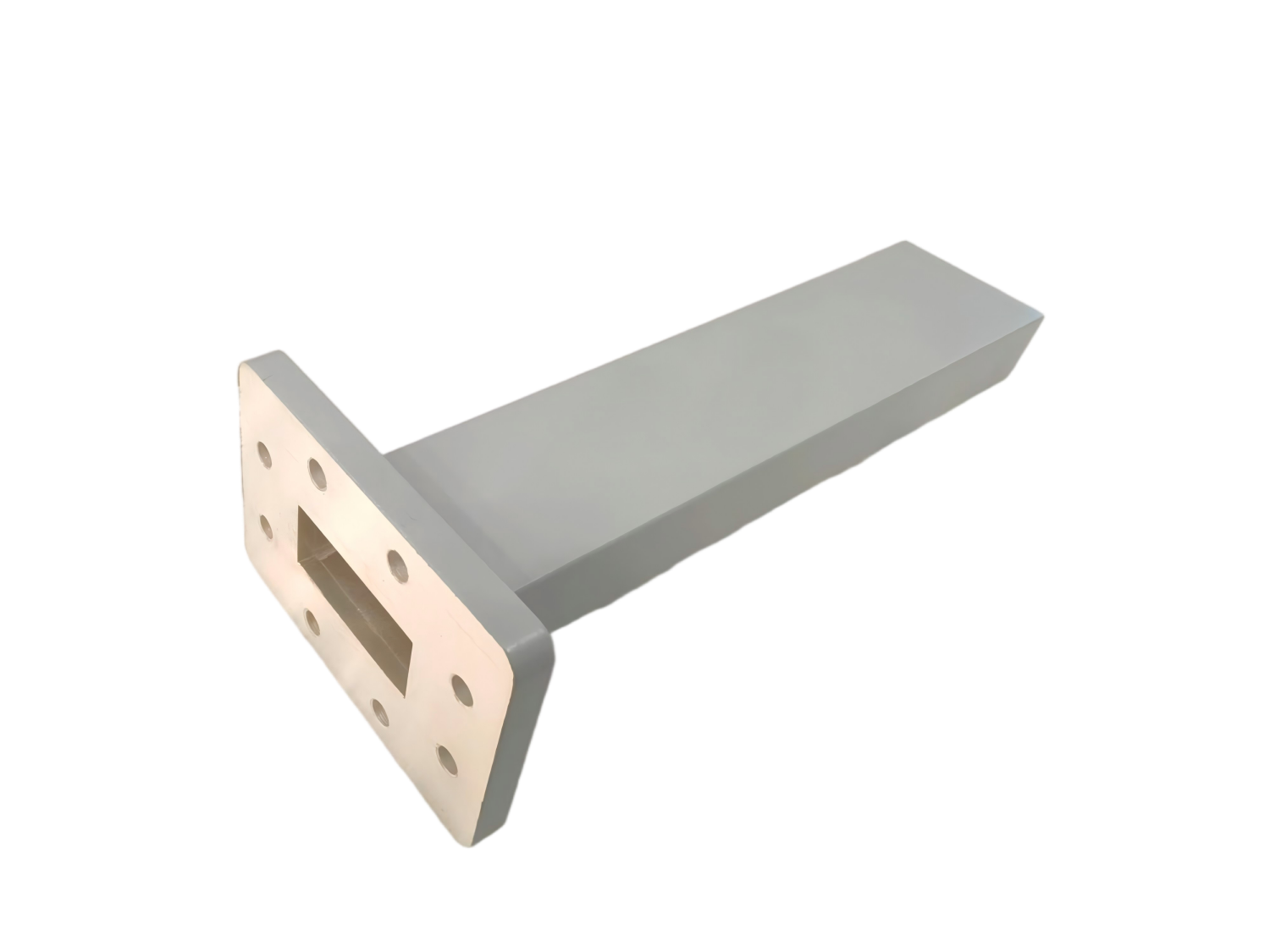
A waveguide load is a passive RF component that absorbs incoming microwave signals and minimizes reflections within a waveguide system.
It is commonly used to:
- terminate unused waveguide ports
- absorb excess RF power
- improve impedance matching
- protect sensitive microwave components
Waveguide loads are essential in systems where signal reflections could cause standing waves, signal distortion, or measurement inaccuracies.
Key Factors to Consider When Choosing a Waveguide Load
Selecting the right RF waveguide load involves evaluating several critical parameters.
Frequency Range
The first and most important factor is the operating frequency range.
Waveguide loads are designed for specific frequency bands, such as:
Waveguide Band | Frequency Range |
|---|---|
X-band | 8–12 GHz |
Ku-band | 12–18 GHz |
Ka-band | 26–40 GHz |
V-band | 50–75 GHz |
Choosing a load that matches your system frequency ensures optimal absorption performance and minimal signal reflection.
Power Handling Capability
Waveguide loads must be able to safely absorb the RF power in your system.
Typical categories include:
- Low power loads: < 10 W
- Medium power loads: 10 W – 100 W
- High power loads: > 100 W (can reach kW levels)
If the load is underspecified, it may overheat or fail, leading to system damage.
High-power waveguide loads provided by AO Microwave are designed for demanding applications such as radar and high-power transmit systems.
VSWR (Voltage Standing Wave Ratio)
VSWR is a key indicator of how well the load absorbs energy.
Typical values:
- High-quality waveguide load: VSWR ≤ 1.05 – 1.2
- Standard performance: VSWR ≤ 1.25
Lower VSWR means better impedance matching and less signal reflection.
Thermal Design and Heat Dissipation
Waveguide loads convert RF energy into heat, so proper thermal management is essential.
Design types include:
- air-cooled loads
- heat sink integrated loads
- water-cooled loads (for high power)
In high-power systems, inadequate cooling can significantly reduce lifespan.
Mechanical Interface and Waveguide Standard
Waveguide loads must match the correct waveguide size and flange standard.
Common standards include:
- WR90, WR75, WR62
- WR42, WR28
- WR22, WR15, WR10 (millimeter-wave)
Proper mechanical compatibility ensures easy integration and reliable performance.
Material and Internal Structure
Waveguide loads typically use RF absorbing materials such as ferrite or resistive elements.
High-quality loads are designed to provide:
- stable absorption across frequency
- minimal performance drift
- long-term durability
Manufacturers like AO Microwave use precision materials and advanced manufacturing techniques to ensure consistent RF performance.
Common Applications of Waveguide Loads
Waveguide loads are widely used in various microwave systems.
RF Test and Measurement
Used to terminate unused ports and ensure accurate measurement results.
Radar Systems
Absorb excess microwave energy to stabilize system performance.
Satellite Communications
Used in ground stations and communication systems to maintain signal integrity.
High-Power Microwave Systems
Protect equipment from reflected power and improve system efficiency.
Common Mistakes When Selecting a Waveguide Load
Avoiding these mistakes can significantly improve system performance.
Choosing the Wrong Frequency Band
A mismatched load may not properly absorb signals, leading to reflections.
Underestimating Power Requirements
Selecting a load with insufficient power handling can cause overheating or failure.
Ignoring VSWR Specifications
Higher VSWR leads to increased signal reflection and reduced system efficiency.
Overlooking Thermal Management
Poor heat dissipation reduces reliability and lifespan.
Advantages of Using High-Quality Waveguide Loads
High-quality microwave waveguide loads offer several benefits:
- excellent impedance matching
- low reflection (low VSWR)
- high power handling capability
- stable performance across frequency bands
- long operational lifespan
Waveguide loads designed by AO Microwave are engineered to meet the requirements of modern RF systems.
Conclusion
Choosing the right waveguide load is essential for ensuring reliable performance in microwave and RF systems.
Engineers must carefully evaluate parameters such as frequency range, power handling capability, VSWR, thermal design, and mechanical compatibility when selecting a waveguide load.
With the correct selection, waveguide loads can effectively absorb unwanted RF energy, protect system components, and improve overall system efficiency.
Manufacturers such as AO Microwave provide high-performance waveguide loads designed for applications in radar systems, satellite communications, and RF testing environments.