
Jun 26, 2026News & Insights
How to Choose the Right Waveguide Switch?
In microwave and millimeter-wave RF systems , waveguide switches play a crucial role in controlling signal routing between antennas, transmitters, receivers, and test equipment. Choosing the correct
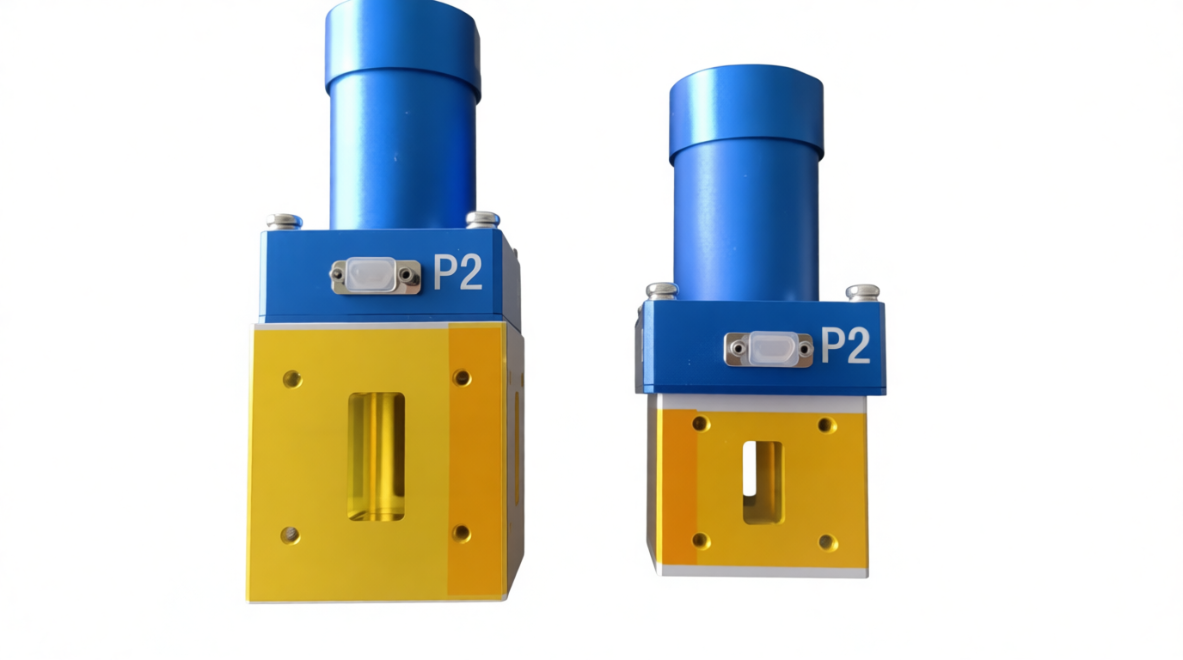
In microwave and millimeter-wave RF systems, waveguide switches play a crucial role in controlling signal routing between antennas, transmitters, receivers, and test equipment. Choosing the correct waveguide switch is essential to ensure reliable signal transmission, minimal loss, and stable system performance.
However, selecting the right microwave waveguide switch involves more than simply matching the waveguide size. Engineers must evaluate several important parameters such as frequency range, insertion loss, power handling capability, switching type, and mechanical design.
Manufacturers of precision microwave components, including AO Microwave, design waveguide switches that meet strict RF performance requirements for applications such as radar systems, satellite communications, and microwave testing environments.
This guide explains the key factors engineers should consider when choosing the right waveguide switch for their RF systems.
Understand the Frequency Range
The first step in selecting a waveguide switch is determining the operating frequency range.
Waveguides are designed for specific microwave bands. Each waveguide size corresponds to a defined frequency range. Some common waveguide bands include:
Waveguide Band | Frequency Range |
|---|---|
X-band | 8–12 GHz |
Ku-band | 12–18 GHz |
Ka-band | 26–40 GHz |
V-band | 50–75 GHz |
Choosing a waveguide switch that matches the correct frequency band ensures efficient signal transmission and minimal RF loss.
Manufacturers such as AO Microwave provide waveguide switches covering many microwave and millimeter-wave frequency ranges.
Consider the Switching Type
Waveguide switches can be classified based on their switching mechanism. The most common types include the following.
Manual Waveguide Switch
Manual switches are operated by hand and are typically used in laboratory environments.
Advantages:
- Simple structure
- High reliability
- Cost-effective solution for occasional switching
Electromechanical Waveguide Switch
Electromechanical switches use motors or actuators to change the signal path automatically.
They are widely used in:
- radar systems
- satellite communication equipment
- automated RF test systems
These switches provide reliable switching performance and good RF isolation.
PIN Diode Waveguide Switch
PIN diode switches use semiconductor technology to control RF signals electronically.
Benefits include:
- extremely fast switching speed
- no mechanical movement
- high reliability in automated microwave systems
These switches are commonly used in millimeter-wave communication systems and radar applications.
Evaluate Insertion Loss
Insertion loss is one of the most important performance parameters for any RF waveguide switch.
Insertion loss measures how much signal power is lost when the signal passes through the switch.
Lower insertion loss ensures:
- stronger signal transmission
- higher system efficiency
- better overall RF performance
High-quality waveguide switches manufactured by companies like AO Microwave are designed to minimize insertion loss across their operating frequency range.
Check Isolation Performance
Isolation refers to the ability of the waveguide switch to prevent signals from leaking into unwanted paths.
High isolation is especially important in systems where multiple RF channels operate simultaneously.
Poor isolation can lead to:
- signal interference
- measurement errors
- reduced system performance
Selecting a waveguide switch with excellent isolation helps maintain stable signal routing in complex microwave networks.
Consider Power Handling Capability
Waveguide switches are often used in high-power microwave systems, especially in radar or satellite communication equipment.
Therefore, power handling capability is a key consideration.
A waveguide switch must be able to safely handle the expected RF power levels without causing overheating, arcing, or signal distortion.
Waveguide technology generally supports higher power levels than coaxial transmission lines, which is why waveguide switches are commonly used in high-power microwave applications.
Evaluate Mechanical Design and Reliability
Because waveguide switches are mechanical devices, their design and durability also matter.
Engineers should consider:
- mechanical tolerance and alignment
- switching life cycle
- environmental resistance
- vibration tolerance
These factors are particularly important for aerospace, defense, and satellite communication systems, where reliability is critical.
Manufacturers such as AO Microwave design waveguide switches with precision machining and robust mechanical structures to ensure long-term performance.
Identify the Application Requirements
Different applications may require different types of waveguide switches.
Radar Systems
Radar systems often require fast and reliable signal routing between transmitters and receivers.
Satellite Communication Systems
Waveguide switches help manage signal routing between antennas, amplifiers, and communication equipment.
Microwave Test and Measurement
In RF laboratories, waveguide switches allow engineers to quickly connect different devices under test to measurement instruments.
Aerospace and Defense Systems
Many military and aerospace systems require highly reliable microwave switching devices capable of operating in demanding environments.
Advantages of Using Waveguide Switches
Compared with coaxial RF switches, waveguide switches offer several advantages at microwave frequencies:
- lower signal loss at high frequencies
- higher power handling capability
- excellent RF shielding
- stable performance above 18 GHz
For these reasons, waveguide switches are widely used in microwave and millimeter-wave communication systems.
Conclusion
Choosing the right waveguide switch is essential for maintaining reliable signal routing and high performance in microwave and RF systems.
Engineers should carefully evaluate factors such as frequency range, switching type, insertion loss, isolation, power handling capability, and mechanical reliability when selecting a waveguide switch.
With the right selection, waveguide switches can significantly improve the efficiency and reliability of systems used in radar, satellite communications, aerospace, and RF testing environments.
Manufacturers such as AO Microwave provide high-performance waveguide switches designed to meet the demanding requirements of modern microwave applications.