
Jun 26, 2026News & Insights
Why Screws Used in Millimeter-Wave Products Are Different
In most mechanical assemblies, screws are simply used to hold components together. But in millimeter-wave (mmWave) and microwave RF products , screws are far more than basic fasteners—they are part o
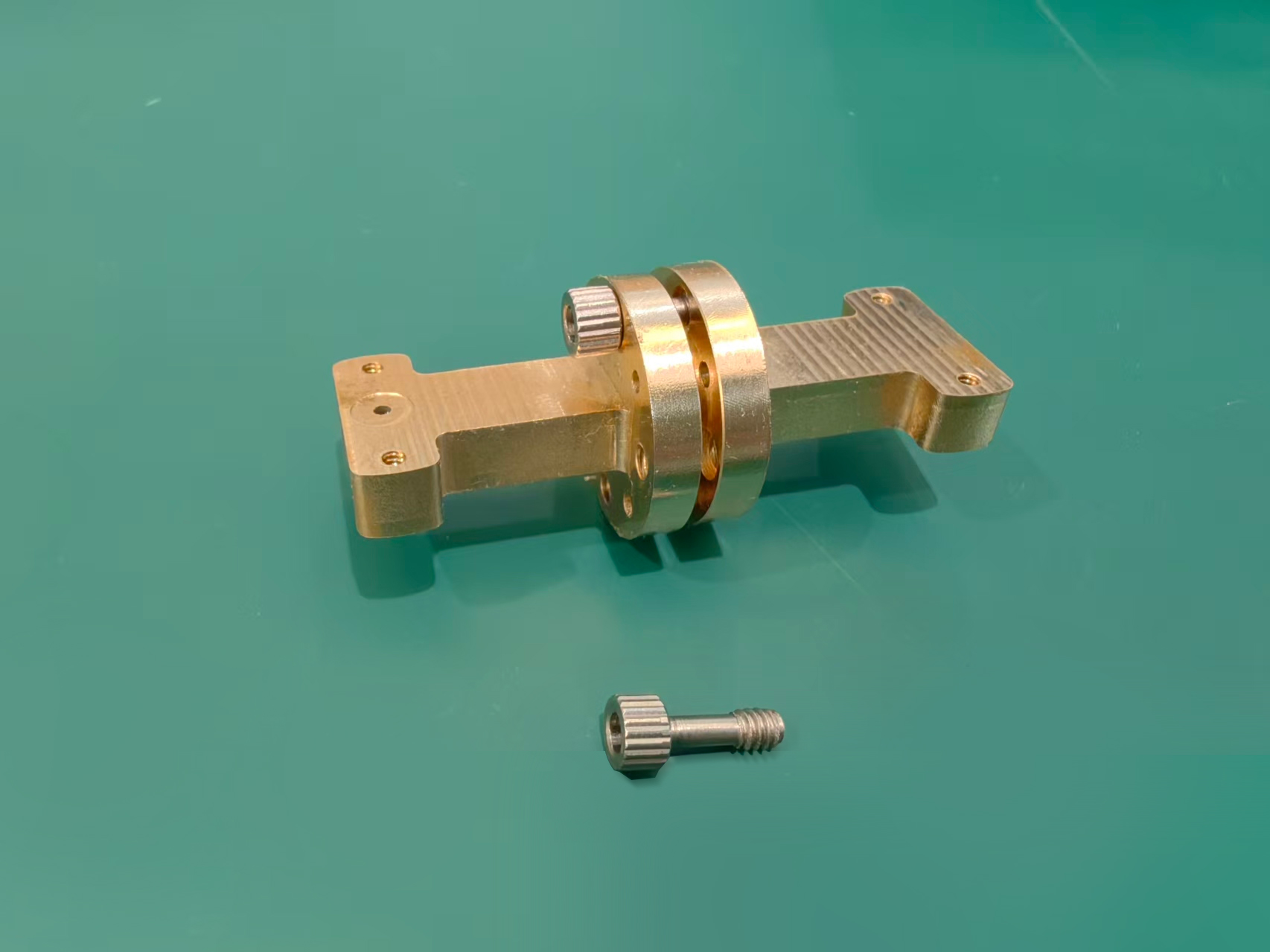
In most mechanical assemblies, screws are simply used to hold components together. But in millimeter-wave (mmWave) and microwave RF products, screws are far more than basic fasteners—they are part of the electromagnetic performance of the system.
When RF components operate at frequencies above 30 GHz, even extremely small mechanical imperfections can influence signal transmission. A tiny gap between two waveguide flanges or uneven pressure across a connection surface can introduce signal leakage, impedance mismatch, and insertion loss.
For this reason, screws used in millimeter-wave components, microwave assemblies, and waveguide systems are often very different from ordinary industrial screws. They are designed with precise mechanical tolerances, specific materials, and controlled torque requirements to ensure stable RF performance.
Manufacturers of high-frequency microwave hardware—including AO Microwave—pay close attention to these mechanical details to maintain signal integrity across millimeter-wave systems.
Why Millimeter-Wave Frequencies Require Higher Mechanical Precision
Millimeter-wave technology typically operates between 30 GHz and 300 GHz. At these frequencies, electromagnetic wavelengths become extremely small.
For example:
Frequency | Wavelength |
|---|---|
30 GHz | ~10 mm |
60 GHz | ~5 mm |
100 GHz | ~3 mm |
Because the wavelength is so short, even microscopic mechanical gaps can disrupt signal transmission.
A poorly aligned flange or uneven screw pressure may cause:
- RF signal leakage
- higher insertion loss
- degraded return loss
- microwave radiation leakage
This is why millimeter-wave components require precision fastening systems rather than standard mechanical fasteners.
The Role of Screws in Waveguide Flange Connections
Many millimeter-wave devices use waveguide interfaces to transmit microwave signals.
Typical examples include:
- waveguide adapters
- waveguide couplers
- waveguide loads
- waveguide filters
- waveguide transitions
When two waveguide flanges are connected, the screws must ensure:
- perfect mechanical alignment
- uniform pressure distribution
- tight electromagnetic sealing
Even a small uneven gap between flange surfaces can introduce significant signal loss at millimeter-wave frequencies.
This is why precision screws with strict dimensional tolerances are commonly used in RF waveguide assemblies.
Special Materials Used for Millimeter-Wave Screws
Another important difference lies in the materials used for RF screws.
Standard industrial screws may not meet the requirements of microwave systems.
Common materials used in millimeter-wave assemblies include:
Stainless Steel
Provides strong mechanical stability and corrosion resistance.
Non-Magnetic Alloys
Used in RF systems where magnetic interference must be minimized.
High-Strength Alloy Steel
Ensures reliable fastening under vibration or temperature variations.
These materials help maintain mechanical stability in applications such as satellite communication systems, radar equipment, and microwave measurement instruments.
Surface Finishing and Plating
Surface treatment is another key factor that distinguishes screws used in millimeter-wave products.
Typical finishes include:
- nickel plating
- passivation treatment
- precision machining
These treatments improve:
- corrosion resistance
- electrical contact stability
- long-term mechanical reliability
In high-frequency RF components manufactured by companies like AO Microwave, every mechanical detail—from waveguide flange machining to screw finishing—is carefully controlled.
Torque Control in Millimeter-Wave Assembly
Torque control is essential when assembling millimeter-wave hardware.
If screws are tightened unevenly, several issues may occur:
- flange deformation
- uneven pressure distribution
- microwave leakage
- degraded RF performance
For this reason, engineers often follow specific torque specifications when assembling RF components.
Using controlled torque tools ensures that each screw applies the correct pressure to maintain a stable mechanical and electromagnetic connection.
Where Precision RF Screws Are Most Important
Specialized screws are commonly used in a wide range of millimeter-wave and microwave applications.
Waveguide Systems
Waveguide components require extremely accurate mechanical alignment.
Examples include:
- directional couplers
- waveguide adapters
- waveguide loads
- microwave filters
Antenna Systems
High-frequency antennas rely on precise mechanical structures to maintain radiation patterns and polarization accuracy.
Satellite Communication Equipment
Satellite ground stations and space communication systems operate at very high frequencies, making mechanical precision essential.
Radar Systems
Automotive radar and aerospace radar systems depend on stable microwave hardware for reliable signal transmission.
Manufacturers such as AO Microwave design RF components with carefully selected fastening systems to ensure reliable performance in demanding environments.
Small Mechanical Details That Affect RF Performance
In microwave engineering, even the smallest mechanical details can influence system performance.
Screws may appear to be minor components, but they directly affect:
- RF sealing
- waveguide alignment
- signal integrity
- mechanical stability
At millimeter-wave frequencies, a difference of just a few micrometers can affect signal transmission.
This is why precision fastening systems are considered an essential part of high-frequency microwave component design.
Conclusion
Screws used in millimeter-wave RF products are different from standard industrial fasteners because they directly influence microwave performance.
Through precision machining, specialized materials, surface finishing, and controlled torque, these screws ensure reliable mechanical alignment and stable electromagnetic connections.
For manufacturers of high-frequency microwave hardware—including AO Microwave—attention to these small mechanical details helps guarantee consistent performance in applications such as satellite communications, radar systems, and advanced wireless networks.