
What Is the Purpose of a Microwave Anechoic Chamber?
A microwave anechoic chamber is a specially designed room that provides a controlled electromagnetic environment for precise testing of antennas, radar systems, and microwave components. Its main purpose is to eliminate unwanted reflections and external electromagnetic interference, ensuring accurate and repeatable measurements.
1. Creating a Reflection-Free Environment
Inside a microwave anechoic chamber, all walls, ceiling, and floor are lined with RF-absorbing materials — typically pyramid-shaped foam absorbers. These materials absorb incident electromagnetic waves, preventing them from reflecting back to the test area.
This design simulates a free-space environment, allowing engineers to measure antenna radiation patterns, gain, and beamwidth with high precision.
2. Shielding Against External Interference
The chamber’s outer shell is made of metal shielding panels, which block external radio signals and ambient noise. This isolation ensures that test results are not affected by outside electromagnetic fields — a critical factor for sensitive radar or communication systems.
3. Supporting Accurate Antenna and Radar Testing
Microwave anechoic chambers are essential for:
-
Antenna testing (gain, efficiency, polarization, beam pattern)
-
Radar cross-section (RCS) measurements
-
Microwave component validation
-
5G, satellite, and aerospace communication systems
By providing a consistent test environment, engineers can verify how their designs perform under real-world conditions — without interference or reflection errors.
4. EMC and EMI Testing
Besides antenna measurements, these chambers are also used for Electromagnetic Compatibility (EMC) and Electromagnetic Interference (EMI) testing.
They help determine whether electronic devices emit or are affected by unwanted electromagnetic radiation, ensuring compliance with international standards.
5. Applications Across Industries
Microwave anechoic chambers are widely used in:
-
Telecommunications and 5G research
-
Aerospace and defense radar systems
-
Automotive radar and sensors
-
Medical equipment testing
-
RF and microwave device development
In Summary
A microwave anechoic chamber plays a vital role in modern RF and microwave testing. By eliminating reflections and external interference, it enables precise measurement, reliable validation, and faster innovation across communication, radar, and aerospace industries.
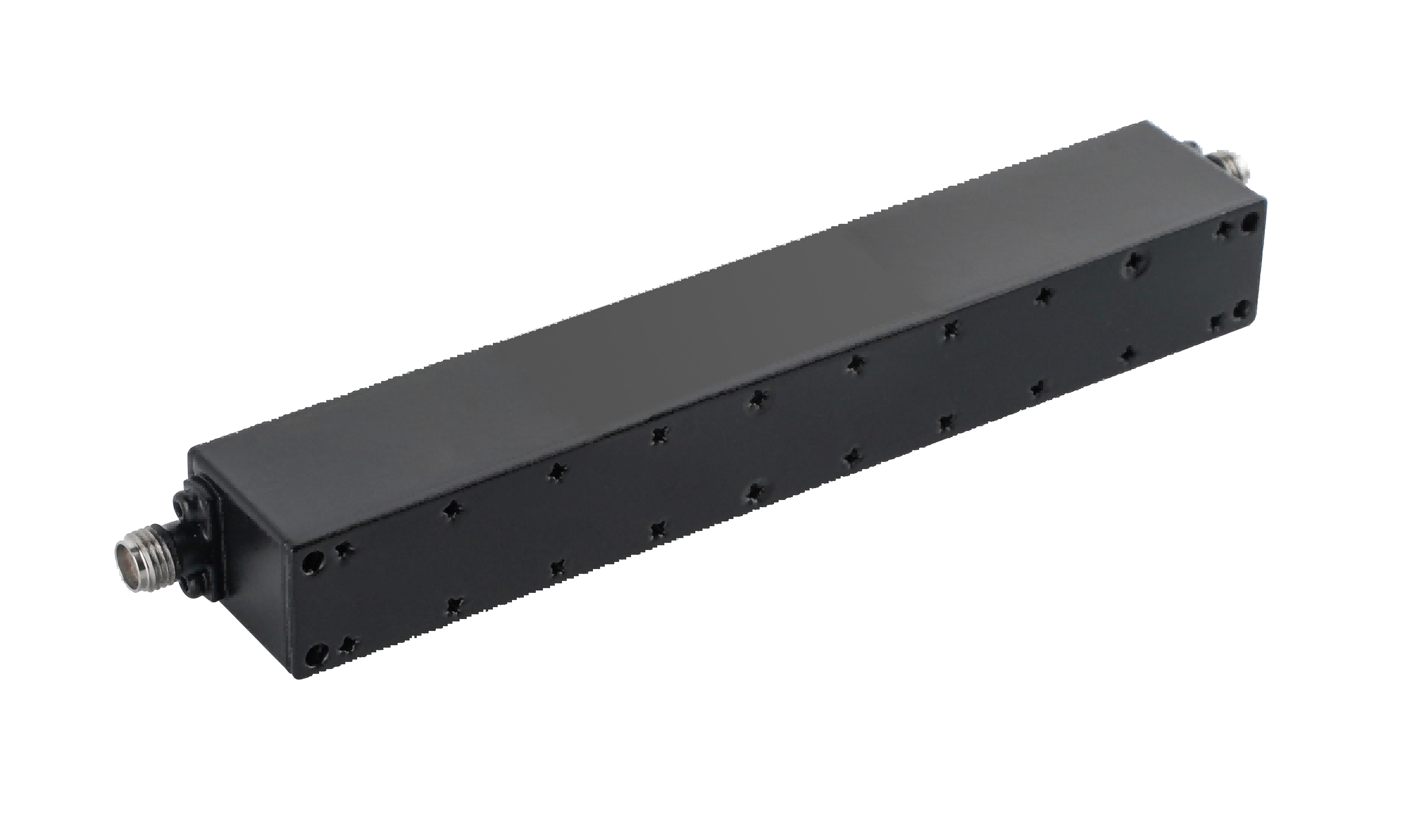 What Types of Coaxial Suspension Line Filters Are Available for RF and Microwave Systems?
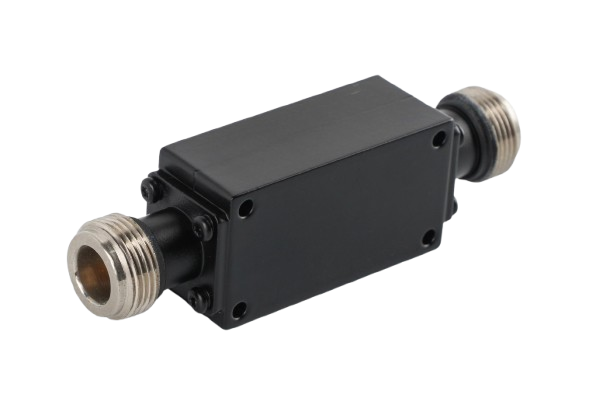 Why Are Coaxial Suspension Line Filters the Right Choice for High-Performance RF Systems?
 What's the Coaxial Suspension Line Filter?
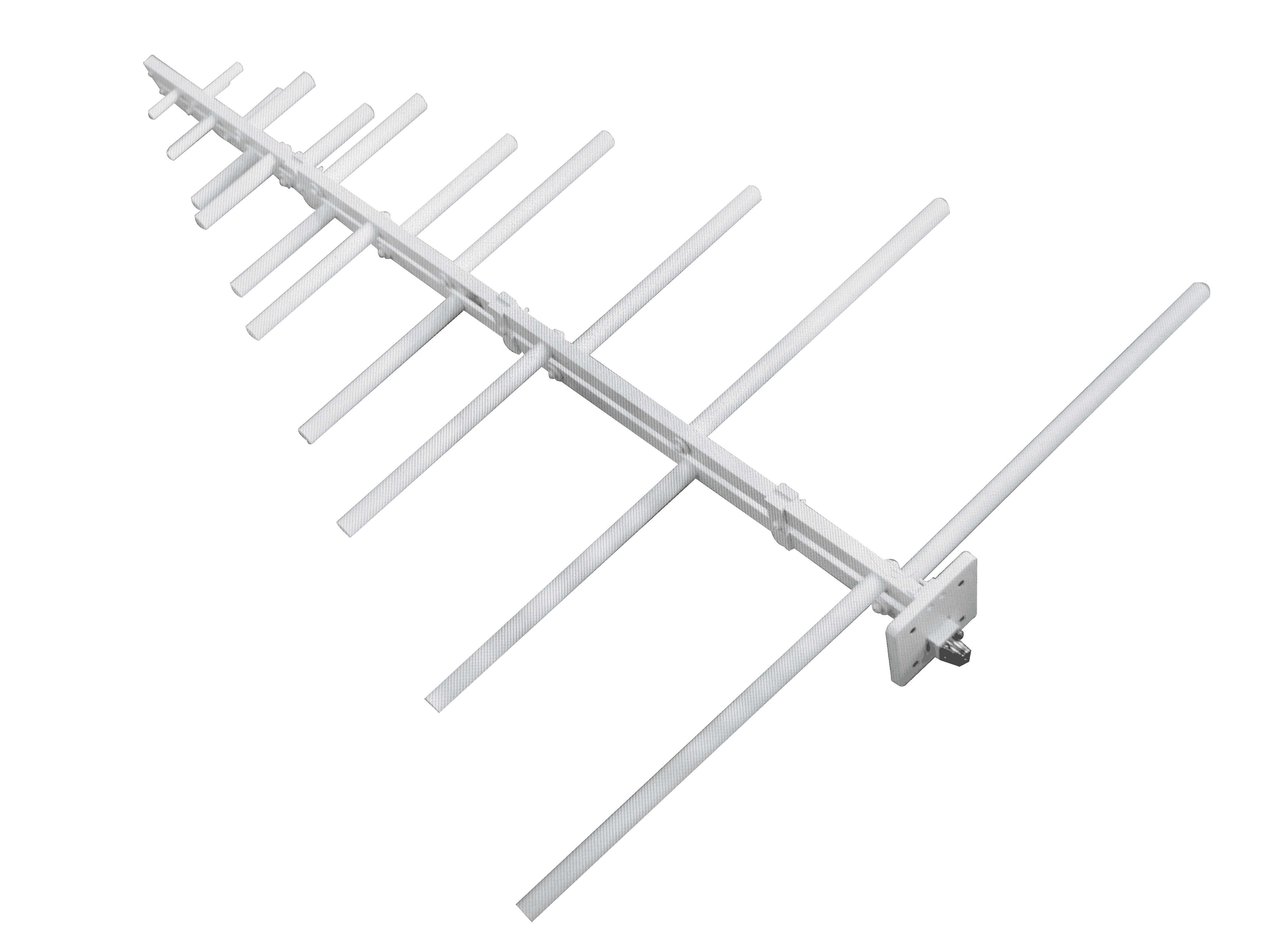 How to Choose a Log-Periodic Antenna for Long-Range Communication?