
What Types of Coaxial Suspension Line Filters Are Available for RF and Microwave Systems?
Coaxial suspension line filters are widely used in RF and microwave systems where low insertion loss, high selectivity, and compact structure are required.
However, many engineers and system integrators still ask the same question:
What types of coaxial suspension line filters are available, and how do I choose the right one?
Let’s break it down in a practical way.
1. Bandpass Coaxial Suspension Line Filters
Bandpass filters are the most commonly used type in suspension line structures.
Key Features:
-
Allow a specific frequency band to pass
-
Reject unwanted out-of-band signals
-
High Q-factor and low insertion loss
Typical Applications:
-
Telecom base stations
-
5G RF modules
-
Wireless communication equipment
-
EMC measurement systems
These filters are ideal when you need to protect sensitive receivers while maintaining signal quality.
2. Bandstop (Notch) Coaxial Suspension Line Filters
Bandstop filters, also known as notch filters, are designed to block a narrow interference band while allowing most other frequencies to pass.
Why Use Them?
-
Eliminate strong interference signals
-
Improve system stability
-
Reduce harmonic noise
Common Use Cases:
-
EMC test systems
-
Spectrum monitoring
-
Interference suppression in RF front ends
They are especially useful in crowded frequency environments.
3. Low-Pass Coaxial Suspension Line Filters
Low-pass filters allow signals below a defined cutoff frequency to pass while suppressing higher frequencies.
Advantages:
-
Suppress harmonics
-
Protect downstream components
-
Improve signal purity
Applications:
-
Transmitter output filtering
-
RF power amplifier protection
-
Industrial RF systems
These filters help maintain clean signal output and improve regulatory compliance.
4. High-Pass Coaxial Suspension Line Filters
High-pass filters perform the opposite function — blocking low-frequency signals and passing higher frequencies.
When Are They Needed?
-
Remove low-frequency noise
-
Isolate specific frequency bands
-
Improve receiver sensitivity
They are often used in multi-band RF systems and test equipment.
5. Custom Coaxial Suspension Line Filters
In many real-world applications, standard specifications are not enough.
Custom designs allow engineers to define:
-
Center frequency
-
Bandwidth
-
Power handling
-
Connector types
-
Mechanical size
At AO Microwave, customized coaxial suspension line filters are developed to match real system requirements, helping integrators reduce redesign cycles and installation challenges.
How to Choose the Right Filter Type?
When selecting a coaxial suspension line filter, consider these key factors:
-
Operating frequency range
-
Required bandwidth
-
Insertion loss and rejection level
-
Mechanical space limitations
-
Power handling requirements
Choosing the correct filter type not only improves performance but also extends system reliability and operational stability.
Final Thoughts
Coaxial suspension line filters offer an excellent balance between electrical performance, compact size, and industrial reliability.
Understanding the different types helps system designers make smarter decisions and avoid unnecessary compromises.
Working with experienced RF manufacturers such as AO Microwave can further ensure consistent quality and application-specific optimization.
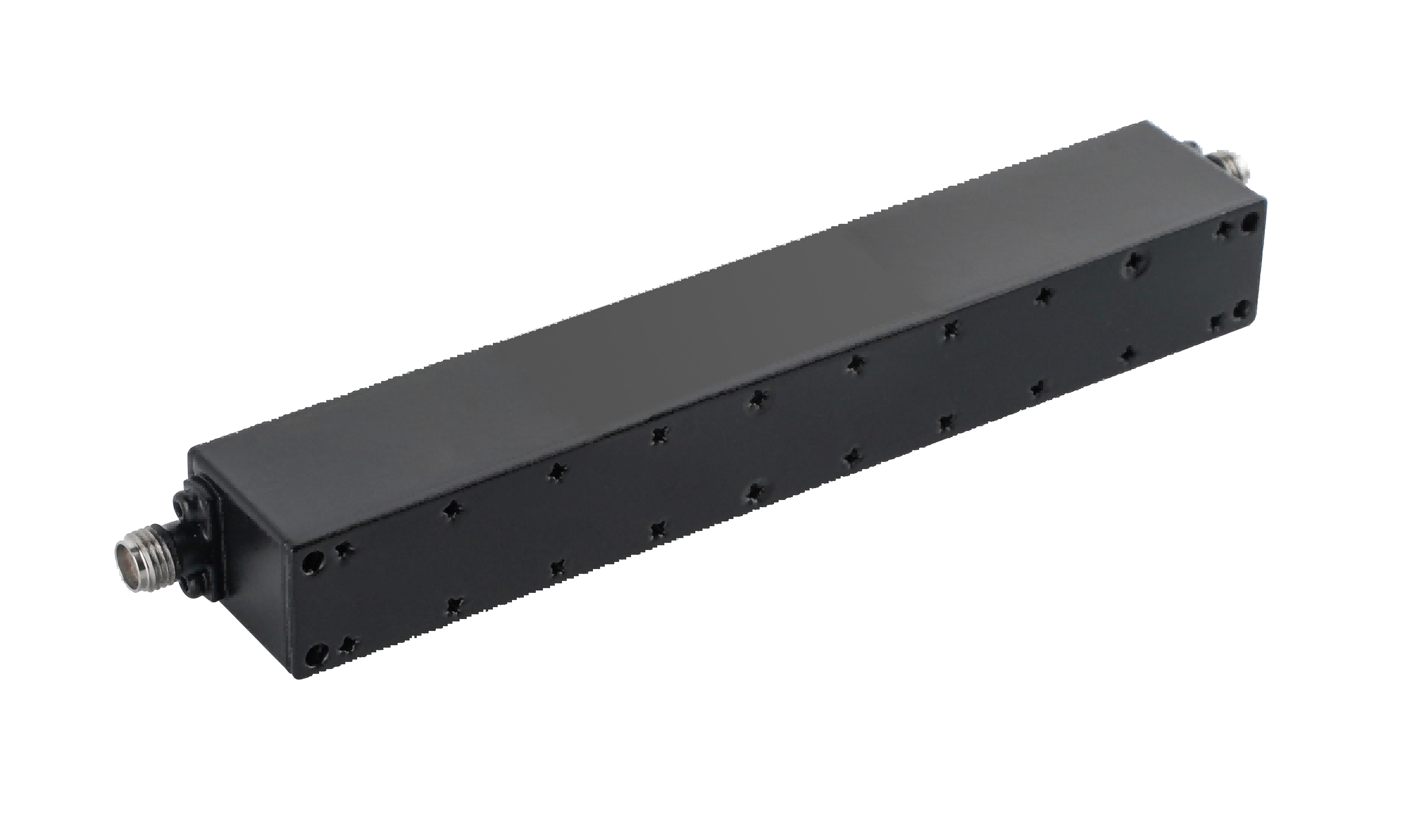 What Types of Coaxial Suspension Line Filters Are Available for RF and Microwave Systems?
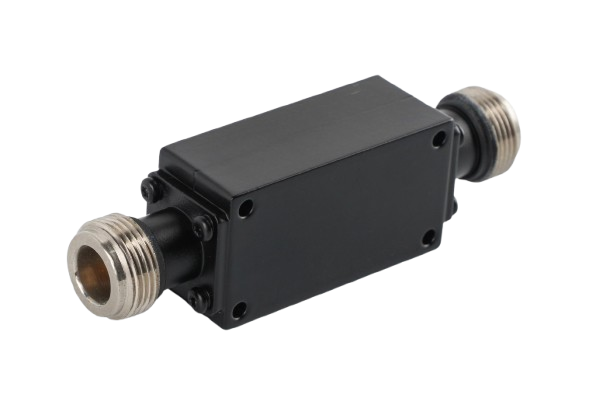 Why Are Coaxial Suspension Line Filters the Right Choice for High-Performance RF Systems?
 What's the Coaxial Suspension Line Filter?
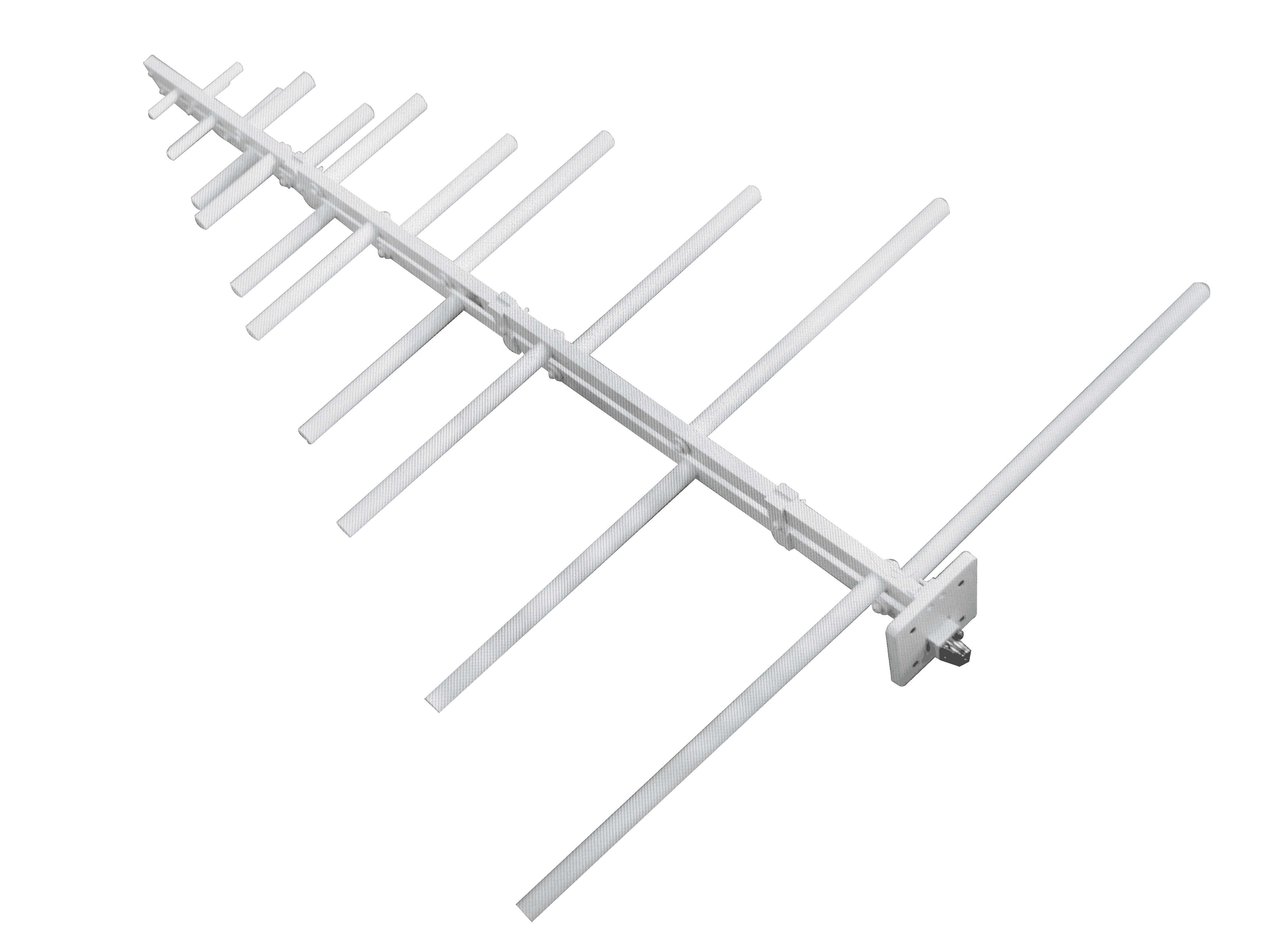 How to Choose a Log-Periodic Antenna for Long-Range Communication?