
How to Extend the Lifespan of a Waveguide Switch?
Waveguide switches are essential components in high-frequency systems such as radar, satellite communications, electronic warfare, and millimeter-wave test environments. Their reliability directly affects system performance and long-term stability. Because waveguide switches operate with extremely tight mechanical tolerances — especially in WR22, WR19, WR15, WR12, and WR10 millimeter-wave bands — ensuring a long service life requires proper selection, installation, and maintenance.
Based on industry best practices and the engineering expertise of AO Microwave, the following guidelines will help significantly extend the operational life of your waveguide switches.
1. Choose High-Precision and High-Quality Switches
The most effective way to guarantee long lifespan is to start with a robust, well-engineered product.
Waveguide switches designed for millimeter-wave applications must use:
-
precision-machined waveguide cavities
-
stable electromechanical actuators
-
high-quality bearings and alignment mechanisms
-
low-friction contact surfaces
Low-grade switches often experience premature wear, misalignment, and increased insertion loss.
AO Microwave manufactures waveguide switches from 5.85 GHz to 110 GHz using high-precision CNC machining, stable actuation mechanisms, and strict quality inspection, ensuring excellent durability and repeatability.
2. Avoid Excessive Actuation Cycles
Although waveguide switches are designed for repeated operation, every switch has a rated cycle life.
To extend lifetime:
-
avoid unnecessary switching
-
use software logic to minimize repeated toggling
-
adopt latching instead of failsafe switches when frequent switching is required
Latching switches maintain position without continuous power, reducing heat and mechanical stress.
3. Prevent Over-Torque on Waveguide Flanges
Improper mechanical installation is one of the most common causes of early switch failure.
Do not over-tighten screws, especially in mmWave models such as WR15/WR12/WR10.
Excessive torque can:
-
deform the flange
-
cause misalignment between the waveguide paths
-
increase insertion loss
-
damage internal moving mechanisms
Using torque-controlled tools and uniform tightening sequence is recommended.
4. Maintain a Clean, Dry, and Stable Operating Environment
Waveguide switches are sensitive to contamination and environmental conditions.
To extend life:
-
keep the interface clean and dust-free
-
avoid moisture and condensation
-
stabilize the operating temperature
-
prevent corrosion by storing the switch in dry conditions
Even small particles inside a WR10 waveguide can cause performance degradation.
5. Use Proper Power Levels
Every waveguide switch has maximum ratings for:
-
peak power
-
average power
-
RF leakage
-
switching speed
Operating beyond these limits can lead to overheating, mechanical stress, or arc damage. Always choose a switch with power handling margin above your application’s requirements.
6. Ensure Correct Voltage and Drive Conditions
Electromechanical switches rely on stable electrical drive signals.
To maintain lifetime:
-
avoid voltage spikes
-
prevent reverse polarity
-
use the recommended coil voltage
-
avoid rapid cycling that exceeds actuation speed specifications
Stable control voltage reduces internal wear and protects tiny mechanical components.
7. Regular Inspection and Preventive Maintenance
In systems requiring long-term continuous operation:
-
perform periodic inspection
-
check for flange wear
-
monitor insertion loss changes
-
confirm switching repeatability
-
verify actuator response time
Early detection of abnormalities protects the switch and the entire system.
Conclusion
Extending the lifespan of a waveguide switch requires a combination of proper product selection, correct installation, stable operating conditions, and routine maintenance. High-precision engineering plays a decisive role — and this is where AO Microwave delivers exceptional value.
With advanced machining technology, stringent quality control, and comprehensive waveguide switch solutions from 5.85 GHz to 110 GHz, AO Microwave ensures long-life, high-performance switches suitable for demanding aerospace, defense, telecom, and millimeter-wave testing environments.
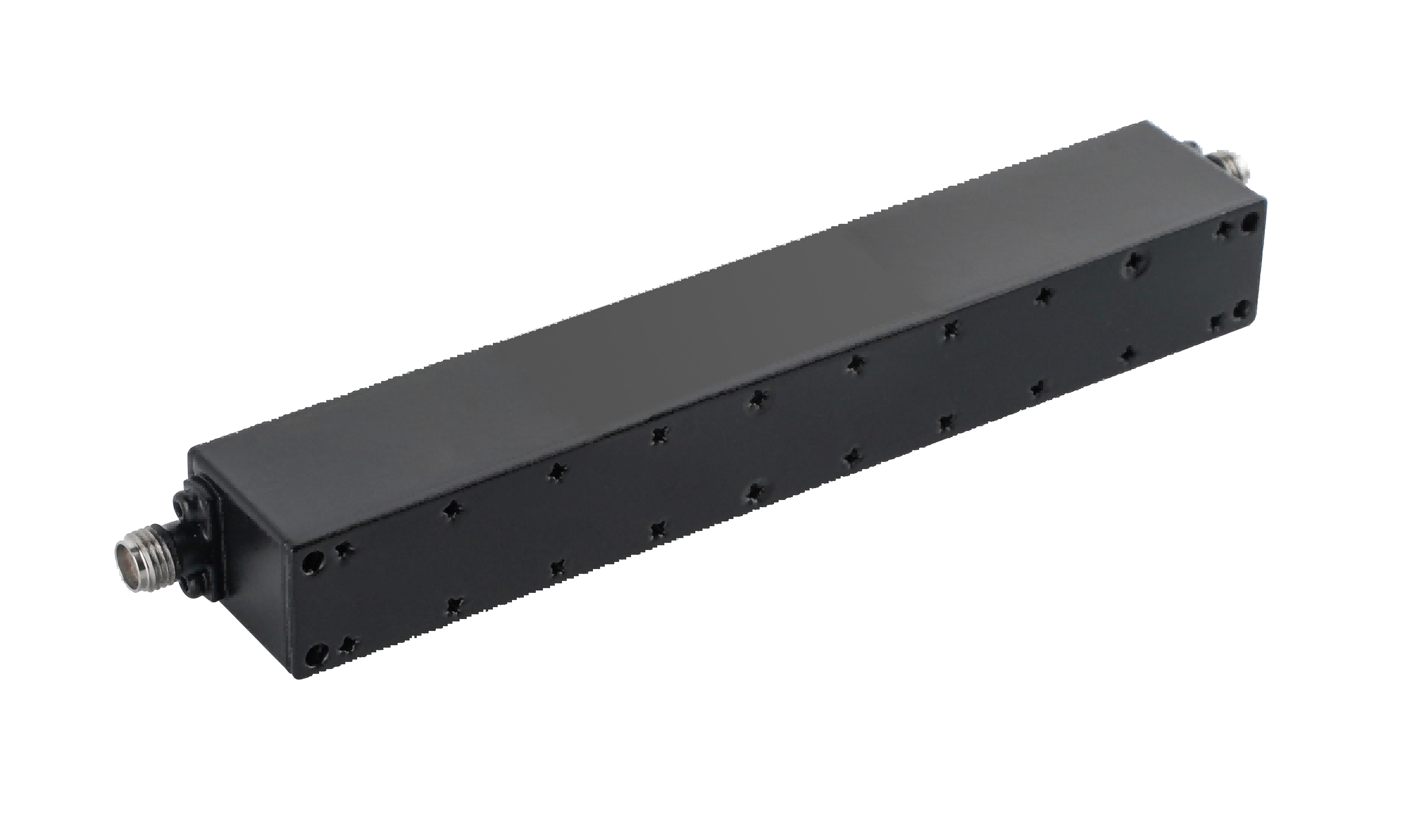 What Types of Coaxial Suspension Line Filters Are Available for RF and Microwave Systems?
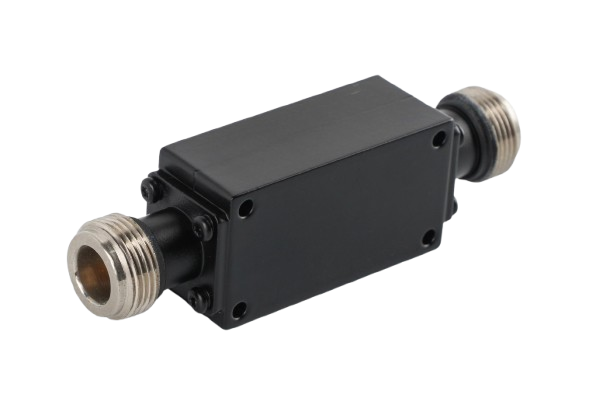 Why Are Coaxial Suspension Line Filters the Right Choice for High-Performance RF Systems?
 What's the Coaxial Suspension Line Filter?
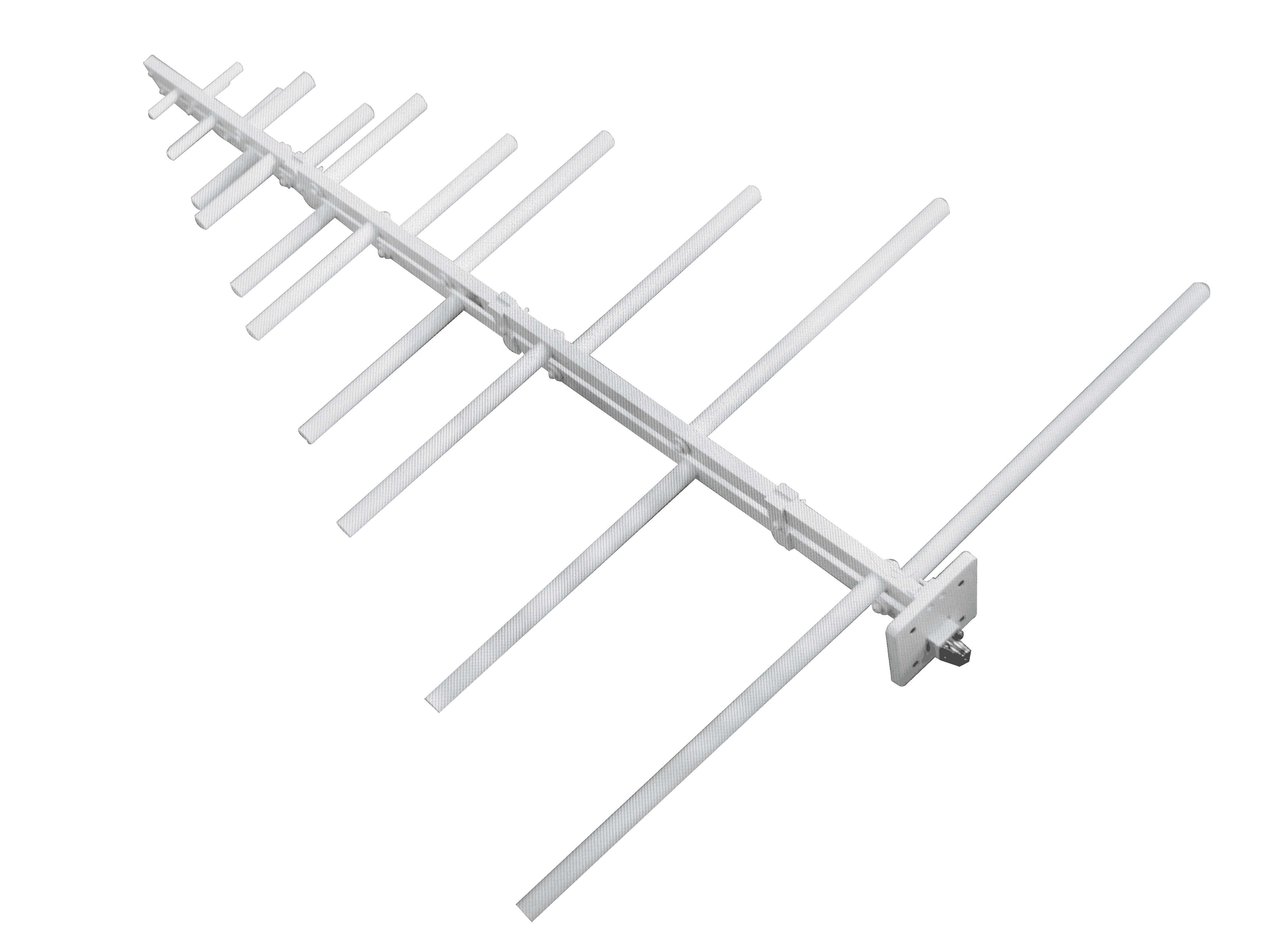 How to Choose a Log-Periodic Antenna for Long-Range Communication?