
Compact Coaxial Loads: Why Short-Length Design Matters More Than You Think
In modern RF and microwave systems, space efficiency and signal stability are becoming just as important as frequency coverage. This is where short-length coaxial loads play a critical role. While they may appear simple, their compact design offers significant advantages for high-frequency applications.
Short coaxial loads are specifically engineered to minimize physical length while maintaining excellent electrical performance. By reducing internal transmission paths, these loads help lower parasitic effects, improve impedance stability, and deliver more consistent VSWR across a wide bandwidth.
Why Choose a Short-Length Coaxial Load?
1. Space-Saving Integration
Compact coaxial loads are ideal for dense system layouts, portable test equipment, and tight enclosures where standard-length loads are impractical.
2. Improved High-Frequency Performance
At higher frequencies, even small mechanical discontinuities can affect signal integrity. A shorter structure reduces unwanted reflections and improves measurement accuracy.
3. Faster Installation and Handling
Their reduced size and weight make short coaxial loads easier to install, replace, and integrate into automated test setups.
At AO Microwave, our short-length coaxial loads are designed with precision machining, stable resistive materials, and strict quality control. They cover frequencies from DC up to millimeter-wave bands and are widely used in RF testing, telecom systems, and high-frequency measurement environments.
Built for Reliability, Designed for Performance
Unlike generic terminations, compact coaxial loads from AO Microwave are optimized to balance size, power handling, and long-term reliability. Each unit is tested to ensure low VSWR, consistent impedance, and dependable performance over time.
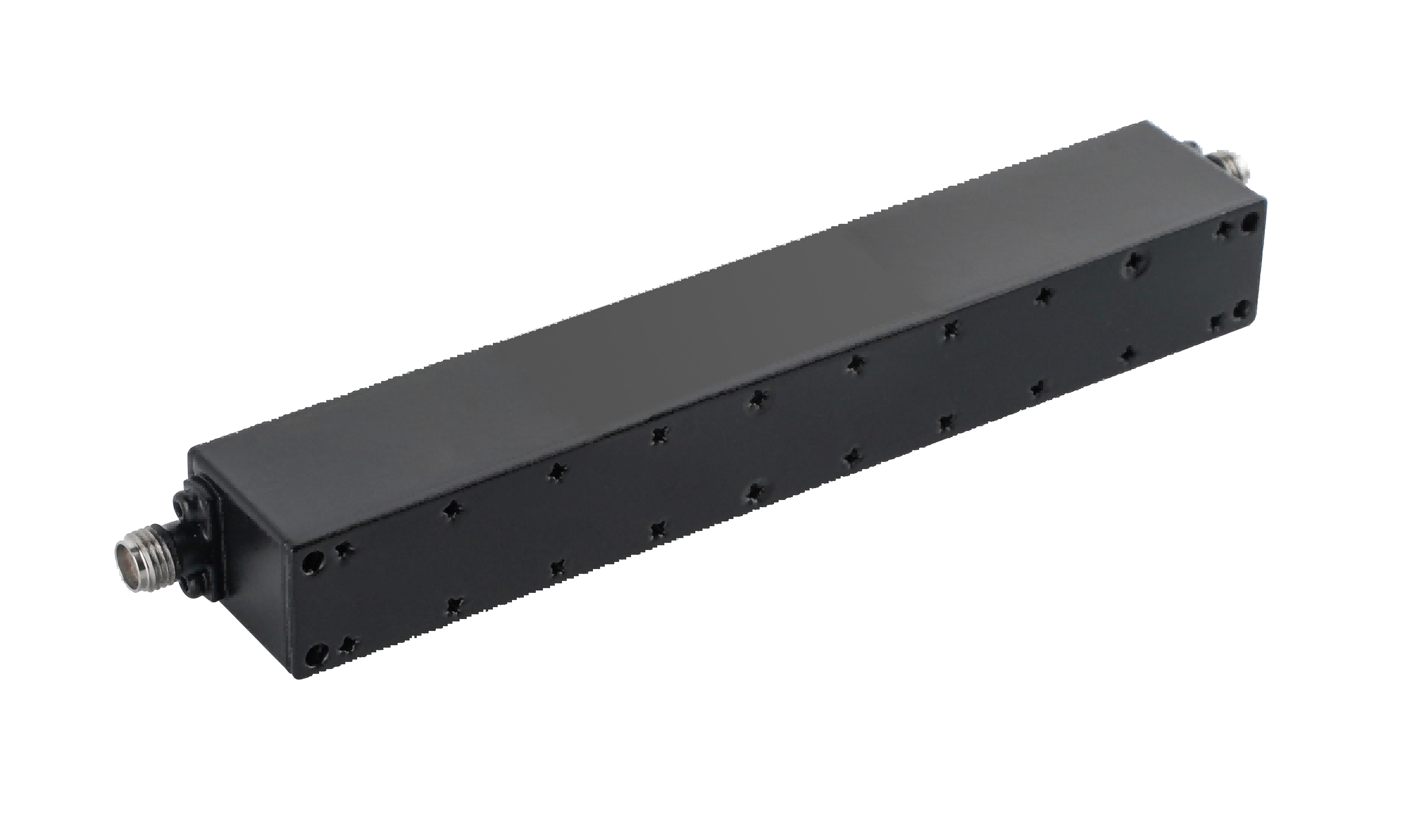 What Types of Coaxial Suspension Line Filters Are Available for RF and Microwave Systems?
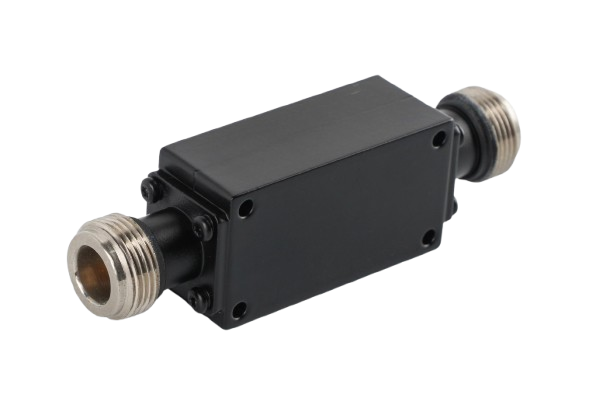 Why Are Coaxial Suspension Line Filters the Right Choice for High-Performance RF Systems?
 What's the Coaxial Suspension Line Filter?
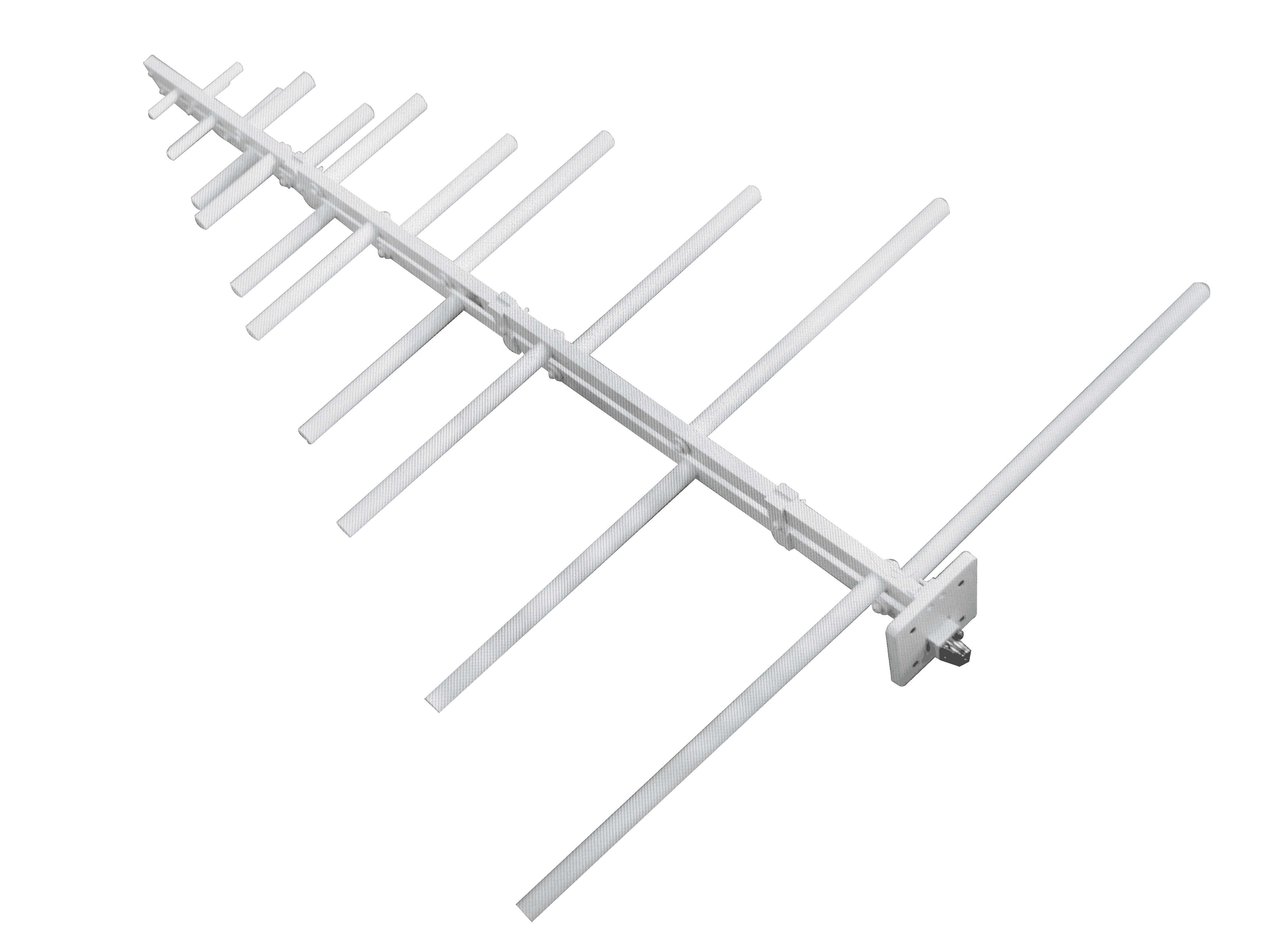 How to Choose a Log-Periodic Antenna for Long-Range Communication?