CE Series: Temperature-Stable & Amplitude/Phase Stable Coaxial Cable
CE Series: Temperature-Stable & Amplitude/Phase Stable Coaxial Cable is designed for demanding RF environments where temperature variation may affect signal stability. Featuring excellent amplitude and phase stability, this microwave cable is ideal for RF test systems, radar electronics, satellite communication equipment, antenna measurement setups and 5G mmWave testing applications.
CE Series: Temperature-Stable & Amplitude/Phase Stable Coaxial Cables
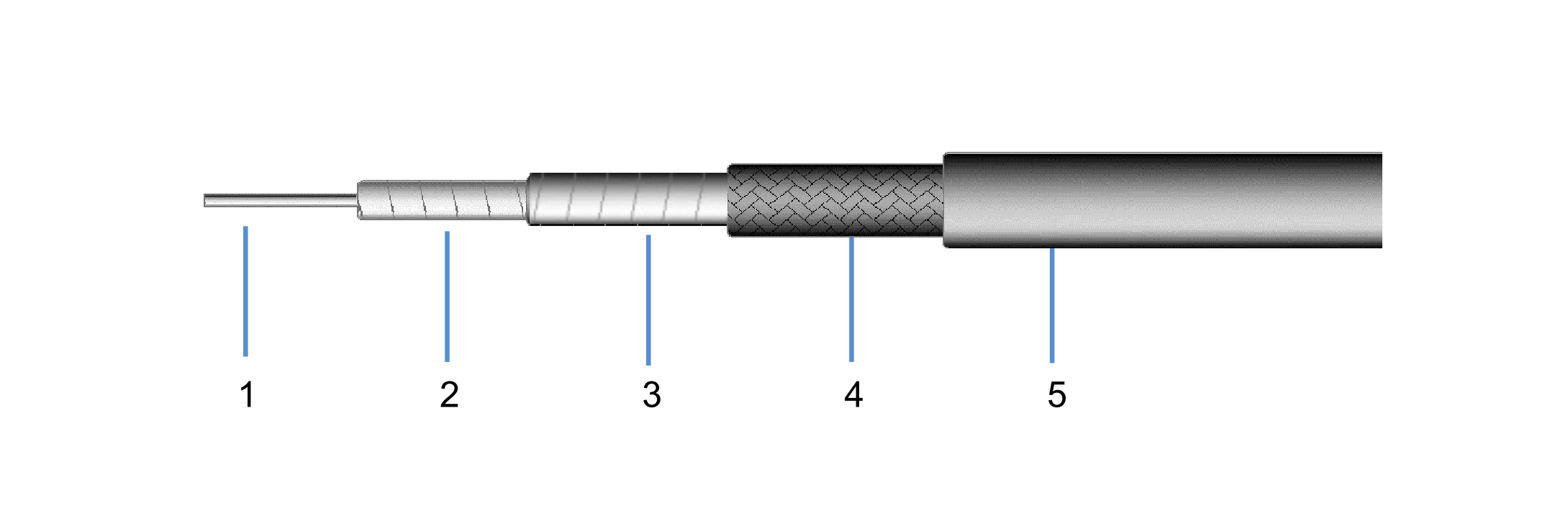
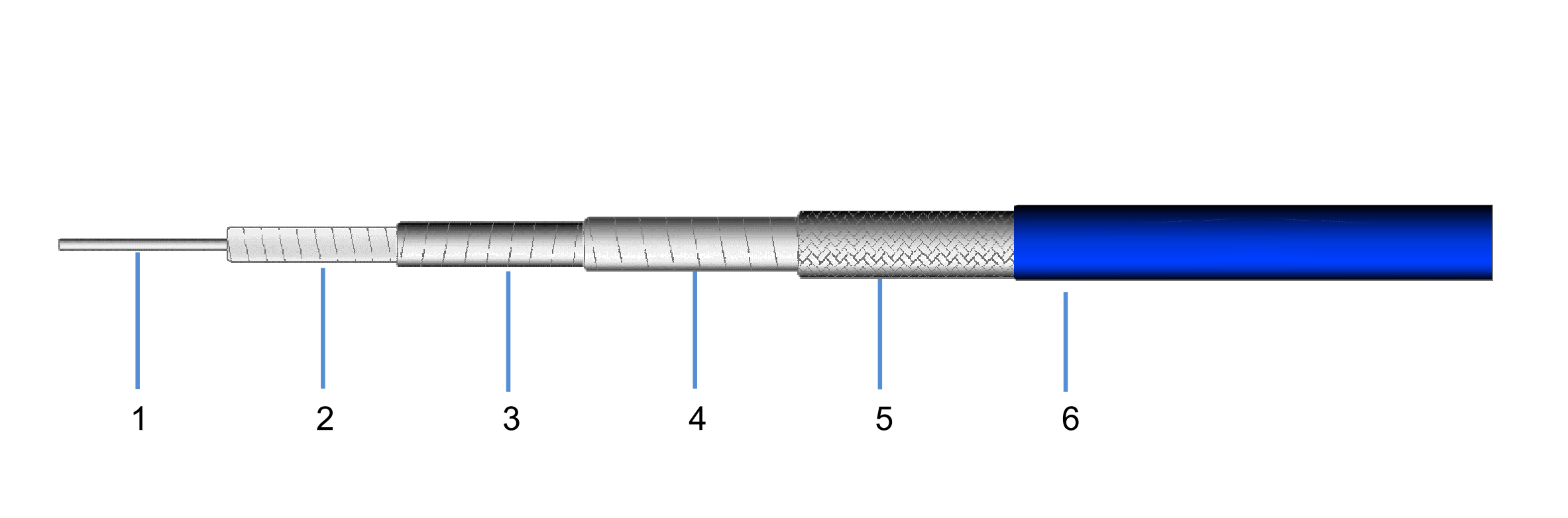
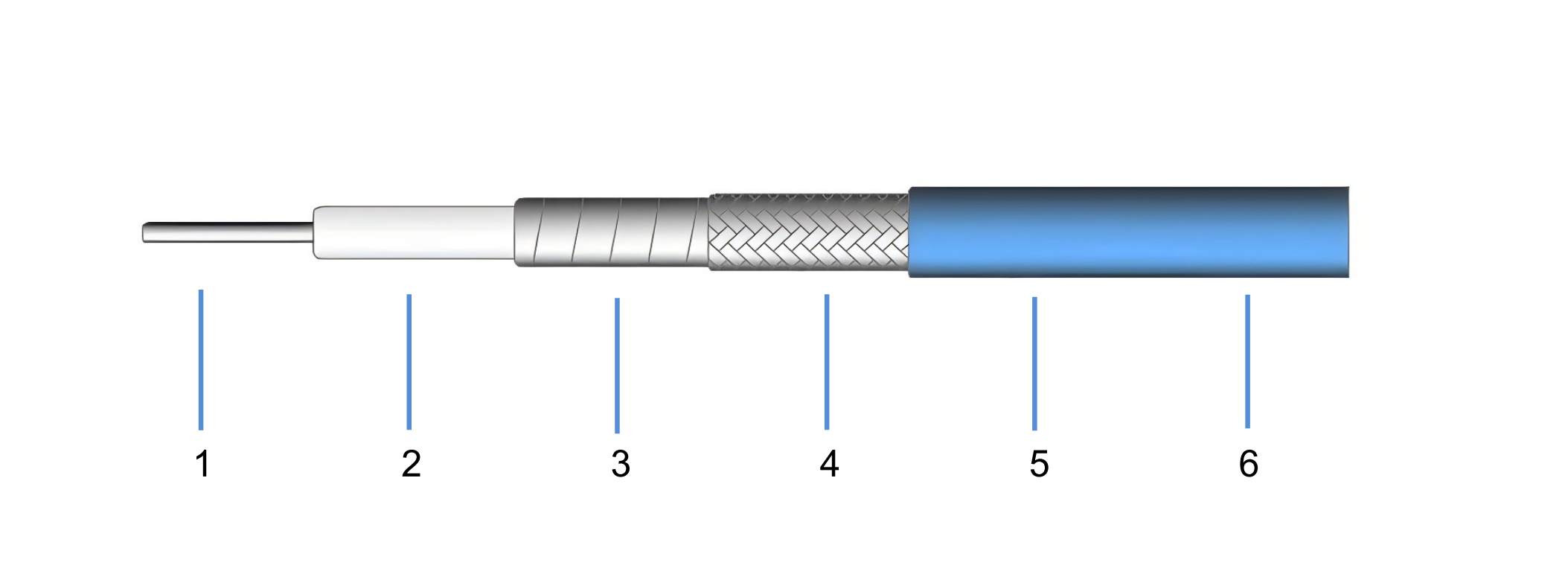
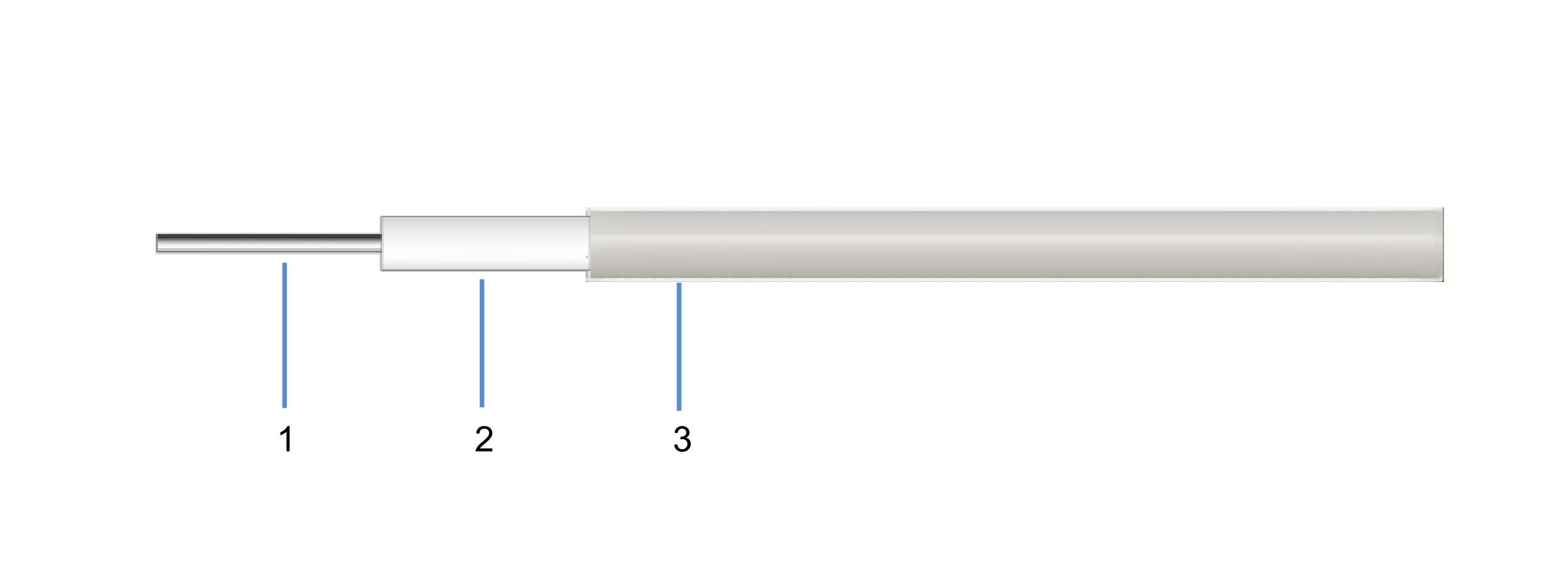
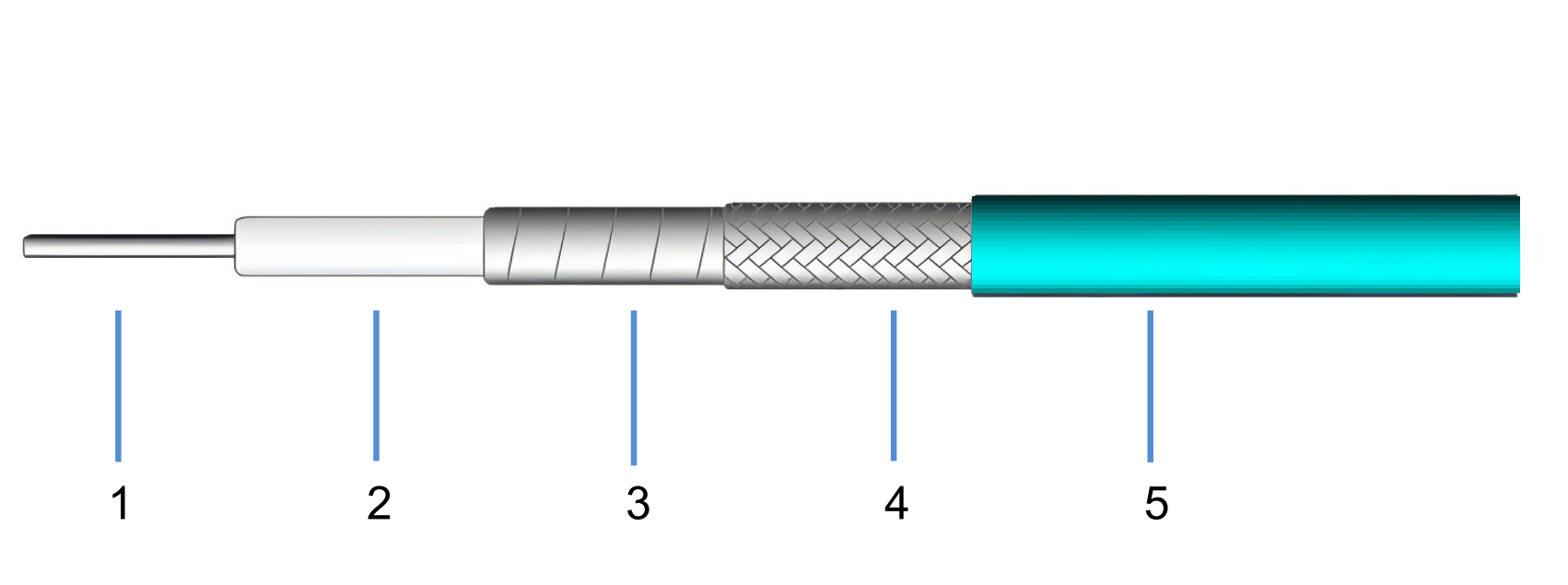
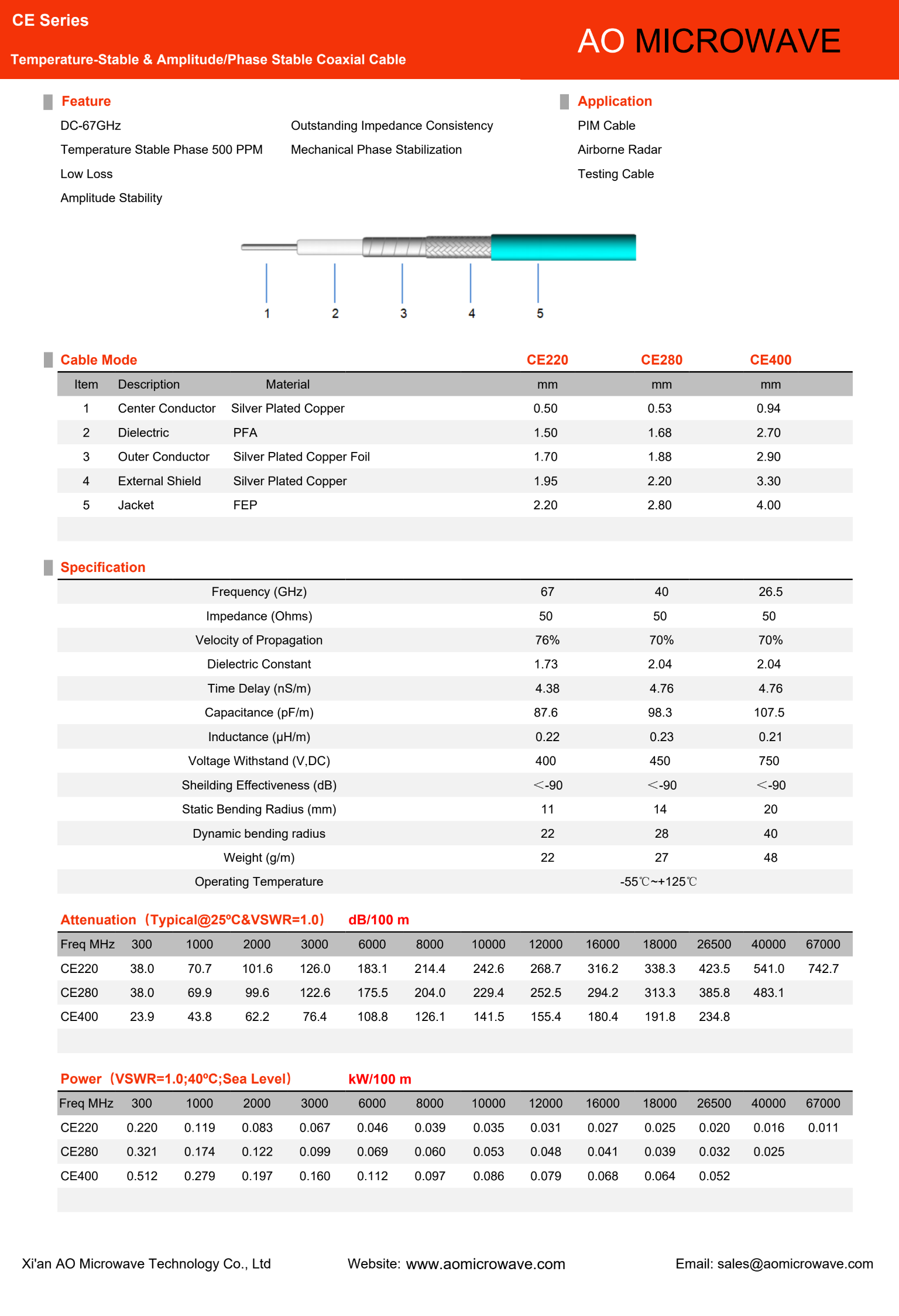
AO Microwave’s CE Series coaxial cables are engineered to deliver outstanding electrical phase stability over extreme temperature ranges up to 50 GHz [3.3.4]. Utilizing specialized temperature-stable dielectrics (including silica-filled PTFE matrices), these cables effectively eliminate the typical phase-shift spikes found in standard fluoropolymers. Encased in a silver-plated copper foil tape inner shield, a high-density silver-plated copper wire outer braid, and an FEP jacket, our CE Series assemblies achieve a shielding effectiveness of typically > 90 dB, low VSWR, and a low phase drift coefficient of typically < 500 ppm from -55°C to +125°C.
These high-durability, temperature-compensated cable assemblies are engineered to minimize the phase tracking errors caused by environmental temperature swings. They are critical for phase-matched radar manifolds, aerospace satellite payloads, and military outdoor field communication runs.
The Electromagnetics of the PTFE "Phase Knee" & Phase Stabilization
Standard coaxial cables experience significant electrical phase shifts when subjected to temperature swings. Solid PTFE dielectrics undergo a crystalline phase transition around 19°C (the "PTFE knee"), causing an abrupt change in physical density and dielectric constant.
This phase knee shifts the electrical length of the cable, introducing phase errors in phase-matched arrays. AO Microwave resolves this thermal phase drift by using specialized temperature-stable dielectrics (including silica-filled PTFE matrices). The silica-filler particles dampen the physical expansion of the PTFE matrix, flattening the phase-versus-temperature curve and eliminating the phase knee, ensuring highly stable phase tracking (typically < 500 ppm from -55°C to +125°C).
Target Applications & Operational Advantages
By providing high phase stability over temperature, our CE Series coaxial cables secure critical active systems:
Phase-Matched Radar Manifolds
Function: Connects multi-channel antenna arrays to transceiver modules in outdoor scanning radars.
Advantage: Low phase drift (typically <500 ppm) maintains precise phase matching between channels, preserving beamforming accuracy under temperature swings.
Aerospace Satellite Payloads
Function: Routes high-frequency signals inside satellite transponders subjected to wide temperature swings.
Advantage: Exceptional thermal phase stability prevents electrical length variation, ensuring consistent transponder performance.
Military Outdoor Communication Runs
Function: Connects outdoor antennas to shelter transceivers in rugged tactical communication systems.
Advantage: Rugged FEP jacketing and dual-layer silver-plated copper shielding withstand extreme weather conditions, preventing phase drift.
CE Series Coaxial Cable FAQs
Need temperature-stable CE Series Coaxial Cables?
Specify your operating temperature range, required phase stability (ppm), connector interfaces, and overall length — we'll quote in 24 hours.