
Radar Systems
Radar systems rely on high-performance RF and microwave components to achieve accurate detection, tracking and signal transmission. Explore key design considerations for modern radar applications.
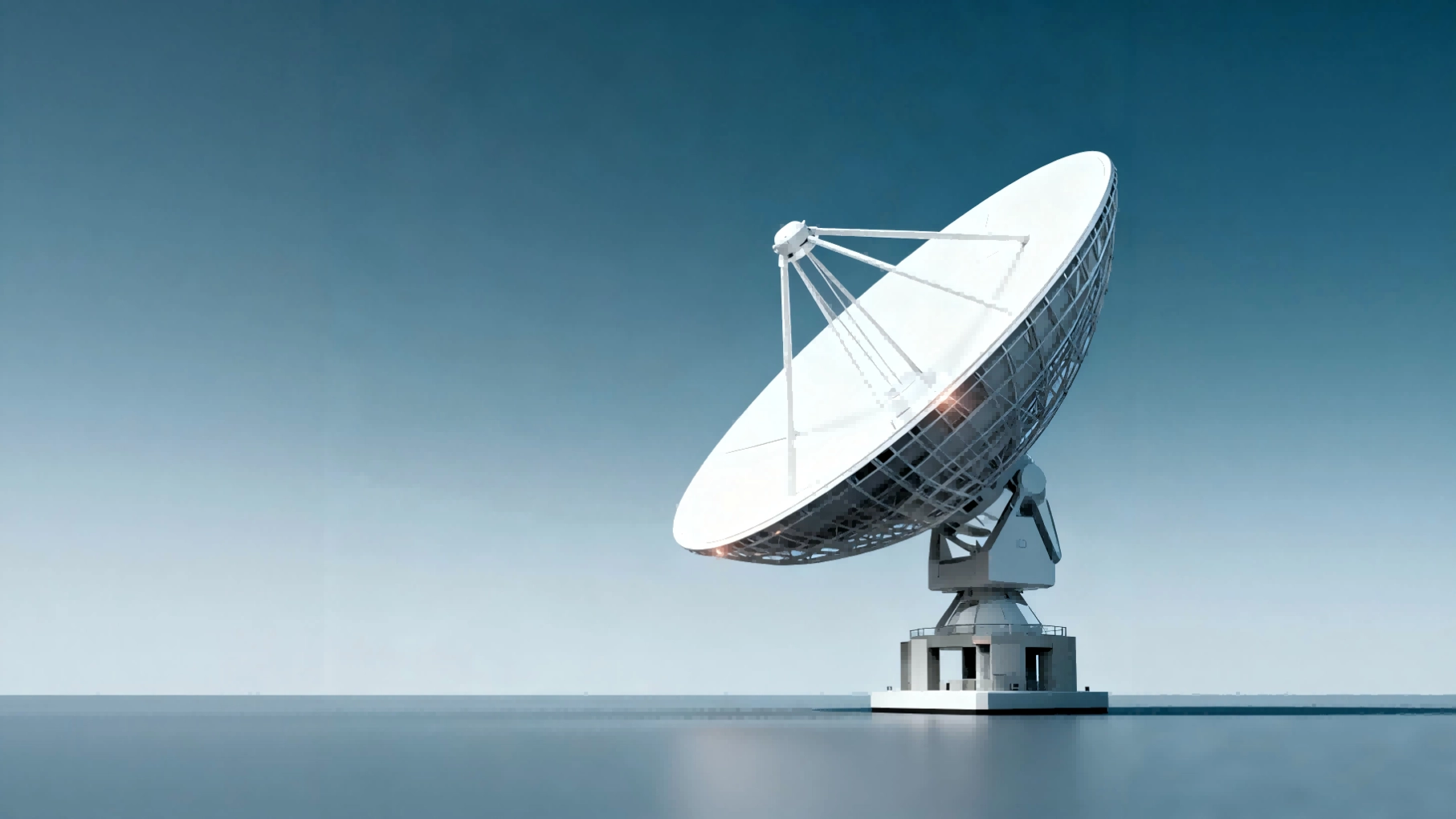
RF & Microwave Components for Radar Systems
Radar systems remain one of the most important applications of RF and microwave technology. From air traffic control and weather monitoring to maritime surveillance, automotive sensing and defense platforms, radar systems rely on precise transmission, reception and processing of electromagnetic signals.
As operating frequencies continue to move higher and system requirements become more demanding, engineers face increasing challenges related to signal integrity, insertion loss, power handling, environmental durability and system reliability. Selecting the right RF and microwave components has become a critical factor in achieving radar performance goals.
The Growing Importance of Radar Technology
According to industry research published by MarketsandMarkets, the global radar systems market is expected to exceed USD 45 billion within the next several years, driven by increasing investments in aerospace, defense, autonomous vehicles, air traffic management and border surveillance systems.
Modern radar platforms require highly stable RF signal paths capable of operating across L Band, S Band, C Band, X Band, Ku Band, Ka Band and even millimeter-wave frequencies. Each subsystem introduces specific challenges related to power transmission, antenna performance and signal processing.
Typical RF Architecture of a Radar System
A typical radar system consists of several interconnected RF and microwave subsystems:
- Signal Generation
- Power Amplification
- Waveguide Transmission Network
- Antenna Feed System
- Receiver Front End
- Signal Processing Unit
Between these subsystems, RF components must efficiently guide, distribute, monitor and condition microwave energy while minimizing losses and maintaining signal fidelity.
Waveguide Components: The Backbone of High-Power Radar Systems
For medium and high-power radar applications, waveguide technology remains the preferred transmission medium due to its low insertion loss and high power handling capability.
Engineers designing X-Band, Ku-Band and Ka-Band radar systems frequently use rectangular waveguides to transport RF energy between transmitters, receivers and antennas.
Commonly used products include:
These components help maintain efficient power transmission while minimizing reflections and standing waves throughout the radar network.
Horn Antennas in Radar Applications
Horn antennas remain one of the most widely used antenna structures in radar systems due to their predictable radiation characteristics, high gain and broad bandwidth performance.
Applications include:
- Target Detection
- Range Measurement
- Antenna Calibration
- EMC Validation
- Radar Cross Section Testing
Products such as Standard Gain Horn Antennas provide stable gain performance and are commonly used throughout radar development and testing environments.
Directional Couplers for Power Monitoring
Accurate power monitoring is essential for ensuring transmitter stability and protecting expensive radar subsystems.
Waveguide Directional Couplers allow engineers to sample a small portion of RF power without significantly disturbing the primary signal path.
These devices are frequently used for:
- Power Measurement
- System Calibration
- Fault Detection
- Transmitter Monitoring
Managing Reflections and VSWR
Unwanted reflections can significantly degrade radar performance by introducing standing waves, reducing power transfer efficiency and potentially damaging sensitive equipment.
Properly selected Waveguide Loads help absorb unused RF energy and improve overall system matching.
When combined with high-quality adapters and precision-machined waveguide assemblies, engineers can achieve lower VSWR and more predictable system behavior.
Environmental Challenges in Radar Deployments
Many radar systems operate in harsh outdoor environments including coastal regions, airports, naval vessels and remote surveillance stations.
Components must withstand:
- Temperature Extremes
- Humidity
- Salt Fog
- Mechanical Vibration
- Long-Term UV Exposure
Selecting corrosion-resistant materials and precision-manufactured RF assemblies can significantly improve operational lifespan and reduce maintenance costs.
Choosing the Right RF Components for Radar Projects
When evaluating RF and microwave components for radar systems, engineers should consider:
- Frequency Range
- Insertion Loss
- Power Handling Capability
- VSWR Performance
- Mechanical Tolerances
- Environmental Requirements
- Connector and Flange Compatibility
Many radar integrators work with suppliers capable of providing both standard catalog products and customized solutions. AO Microwave supports customers with waveguide components, horn antennas, RF cable assemblies and microwave accessories tailored to specific application requirements.
Frequently Asked Questions
What frequency bands are commonly used in radar systems?
L Band, S Band, C Band, X Band, Ku Band, Ka Band and W Band are commonly used depending on the application.
Why are waveguides preferred for high-power radar systems?
Waveguides provide lower loss and higher power handling capability compared with coaxial transmission lines at microwave frequencies.
What type of antenna is commonly used in radar testing?
Standard gain horn antennas are widely used because of their stable gain characteristics and predictable radiation patterns.
How important is VSWR in radar systems?
Low VSWR helps maximize power transfer efficiency and minimizes unwanted reflections throughout the RF chain.
Need RF & Microwave Components for Your Radar Project?
Whether you are developing surveillance radar, weather radar, air traffic control systems or defense platforms, selecting reliable RF components can improve system performance and reduce integration risks.
Contact Our Engineering TeamReferences
- MarketsandMarkets – Radar Systems Market Report.
- Skolnik, Merrill I. Introduction to Radar Systems, Third Edition.
- IEEE Aerospace and Electronic Systems Society Publications.
- Federal Aviation Administration (FAA) Radar Engineering Documentation.
- NATO Radar Fundamentals Training Materials.