
Jun 26, 2026News & Insights
What Are the Functions and Applications of Waveguide Switches?
In high-frequency microwave and millimeter-wave communication systems , controlling how RF signals move through a network is essential. Engineers often need to redirect signals between antennas, tran
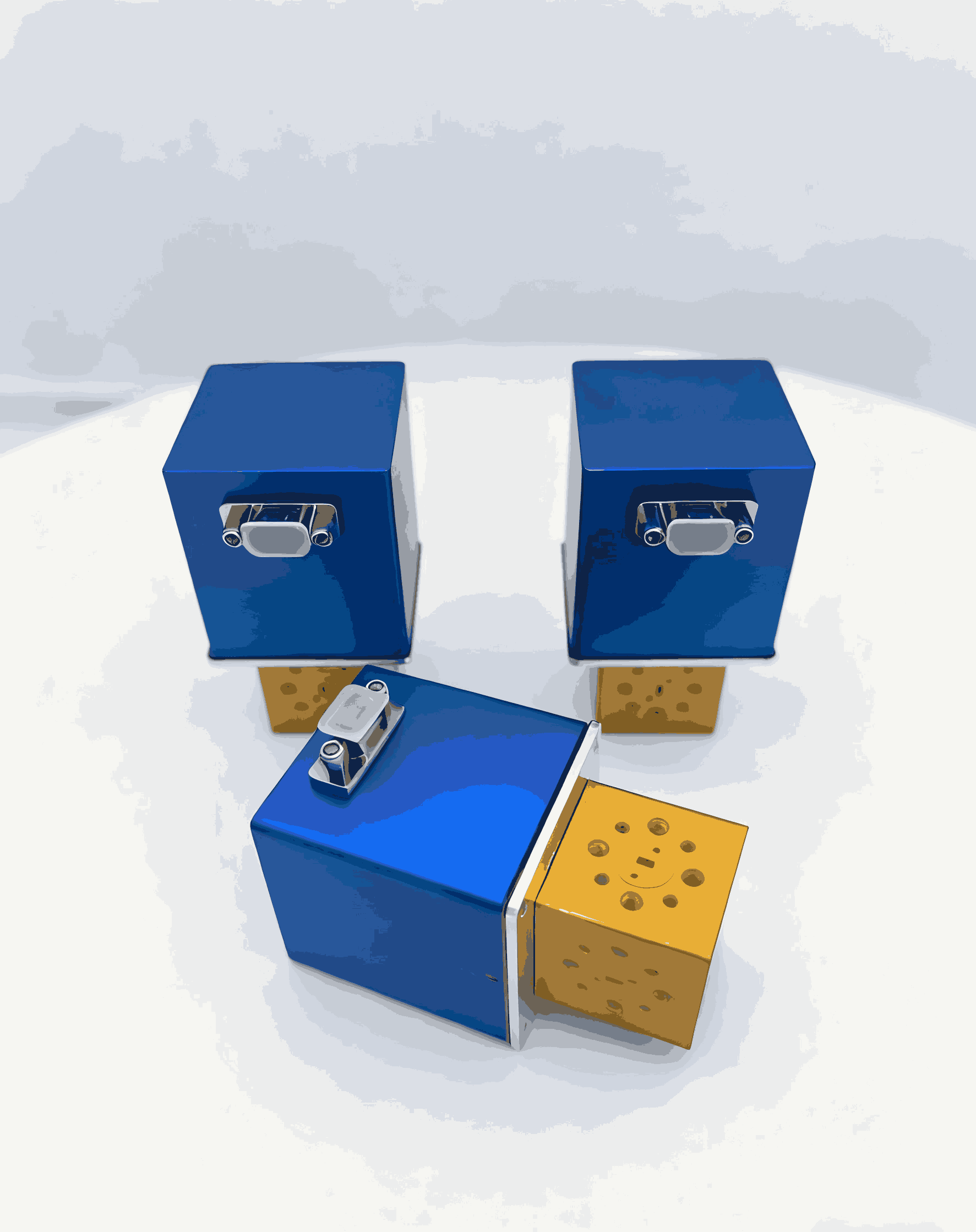
In high-frequency microwave and millimeter-wave communication systems, controlling how RF signals move through a network is essential. Engineers often need to redirect signals between antennas, transmitters, receivers, and measurement equipment while maintaining minimal signal loss.
A waveguide switch is a specialized microwave component designed to control the routing of electromagnetic signals inside a waveguide transmission system. By switching signals between different paths, these devices allow RF systems to operate efficiently without the need for manual reconnection of waveguide assemblies.
Waveguide switches are widely used in industries such as:
- Radar and defense systems
- Satellite communication networks
- Microwave test and measurement laboratories
- Aerospace and electronic warfare systems
High-precision microwave component manufacturers, including AO Microwave, design waveguide switches with strict mechanical tolerances and excellent RF performance to meet the demands of modern microwave systems.
What Is a Waveguide Switch?
A waveguide switch is a microwave device that changes the path of electromagnetic waves traveling through a waveguide.
Unlike coaxial transmission lines, waveguides are hollow metallic structures that guide high-frequency microwave signals with extremely low loss. Because these signals are sensitive to reflections and leakage, switching between waveguide paths requires carefully designed RF components.
A typical waveguide switch allows engineers to:
- Redirect microwave signals between waveguide channels
- Select different antennas or receivers
- Protect sensitive RF components
- Configure microwave test systems
Waveguide switches are therefore essential for RF signal routing in high-frequency microwave networks.
Main Functions of Waveguide Switches
RF Signal Routing
The primary function of a waveguide switch is signal routing.
Many microwave systems require signals to travel through multiple paths depending on operating conditions. For example, a radar system may switch between multiple antennas or receivers during operation.
A waveguide switch enables fast and reliable switching without disconnecting the waveguide system.
Equipment Protection
In some RF systems, transmitters generate high-power microwave signals that could damage sensitive receivers.
Waveguide switches help protect equipment by directing signals away from sensitive components when necessary.
Test System Flexibility
Waveguide switches are widely used in RF and microwave testing laboratories.
Engineers often use switches to connect different devices under test to measurement instruments such as:
- Vector Network Analyzers (VNA)
- Spectrum analyzers
- Microwave signal generators
High-performance microwave components produced by AO Microwave help maintain signal integrity in these testing environments.
Types of Waveguide Switches
Waveguide switches can be classified according to their switching mechanism.
Manual Waveguide Switch
Manual waveguide switches are operated by hand and are commonly used in laboratory environments.
Advantages include:
- Simple mechanical structure
- High reliability
- Cost-effective for occasional switching
Electromechanical Waveguide Switch
Electromechanical switches use motors or actuators to change signal paths automatically.
These switches are commonly used in:
- Radar systems
- Satellite ground stations
- Automated microwave test systems
They provide reliable switching performance with good RF isolation.
PIN Diode Waveguide Switch
PIN diode switches use semiconductor technology to control microwave signals electronically.
Advantages include:
- Very fast switching speed
- No moving mechanical parts
- High reliability in automated systems
These switches are often used in millimeter-wave communication and radar applications.
Key Performance Parameters of Waveguide Switches
When selecting a microwave waveguide switch, engineers evaluate several important parameters.
Insertion Loss
Insertion loss measures how much signal power is lost when the signal passes through the switch.
Low insertion loss is critical for maintaining signal strength in high-frequency RF systems.
Isolation
Isolation describes how well the switch prevents signals from leaking into unwanted signal paths.
High isolation is important in systems where multiple signal channels operate simultaneously.
Power Handling
Waveguide switches are often used in high-power microwave systems, so they must handle significant RF power without performance degradation.
Frequency Range
Waveguide switches are designed for specific frequency bands, such as:
- X-band (8–12 GHz)
- Ku-band (12–18 GHz)
- Ka-band (26–40 GHz)
- millimeter-wave frequencies
Manufacturers such as AO Microwave provide waveguide switches covering many microwave and millimeter-wave bands.
Applications of Waveguide Switches
Radar Systems
Radar systems rely on waveguide switches to route microwave signals between transmitters, receivers, and antennas.
These switches help radar systems manage signal transmission and reception efficiently.
Satellite Communications
Satellite ground stations use waveguide switches to manage signal routing between antennas, amplifiers, and receivers.
This ensures stable communication links between satellites and ground equipment.
Microwave Test Systems
Waveguide switches are essential in RF test and measurement systems.
They allow engineers to quickly switch connections between instruments and devices under test without manual reconnection.
Aerospace and Defense Applications
Waveguide switches are widely used in aerospace and defense systems, including:
- electronic warfare equipment
- missile guidance systems
- military radar systems
- satellite communication payloads
High-precision microwave hardware manufactured by AO Microwave is designed to meet the strict requirements of these applications.
Advantages of Waveguide Switches
Compared with coaxial RF switches, waveguide switches offer several advantages at high microwave frequencies.
Key benefits include:
- Lower insertion loss at microwave frequencies
- Higher power handling capability
- Excellent electromagnetic shielding
- Better performance above 18 GHz
For these reasons, waveguide switches are commonly used in millimeter-wave communication systems and high-power radar equipment.
Conclusion
Waveguide switches play a crucial role in modern microwave and RF communication systems. They enable engineers to control signal routing inside waveguide networks while maintaining excellent signal integrity and minimal loss.
From radar systems and satellite communications to microwave testing laboratories, waveguide switches are essential components that support reliable microwave signal transmission.
Manufacturers such as AO Microwave continue to develop high-performance waveguide switches designed for demanding microwave and millimeter-wave applications.